












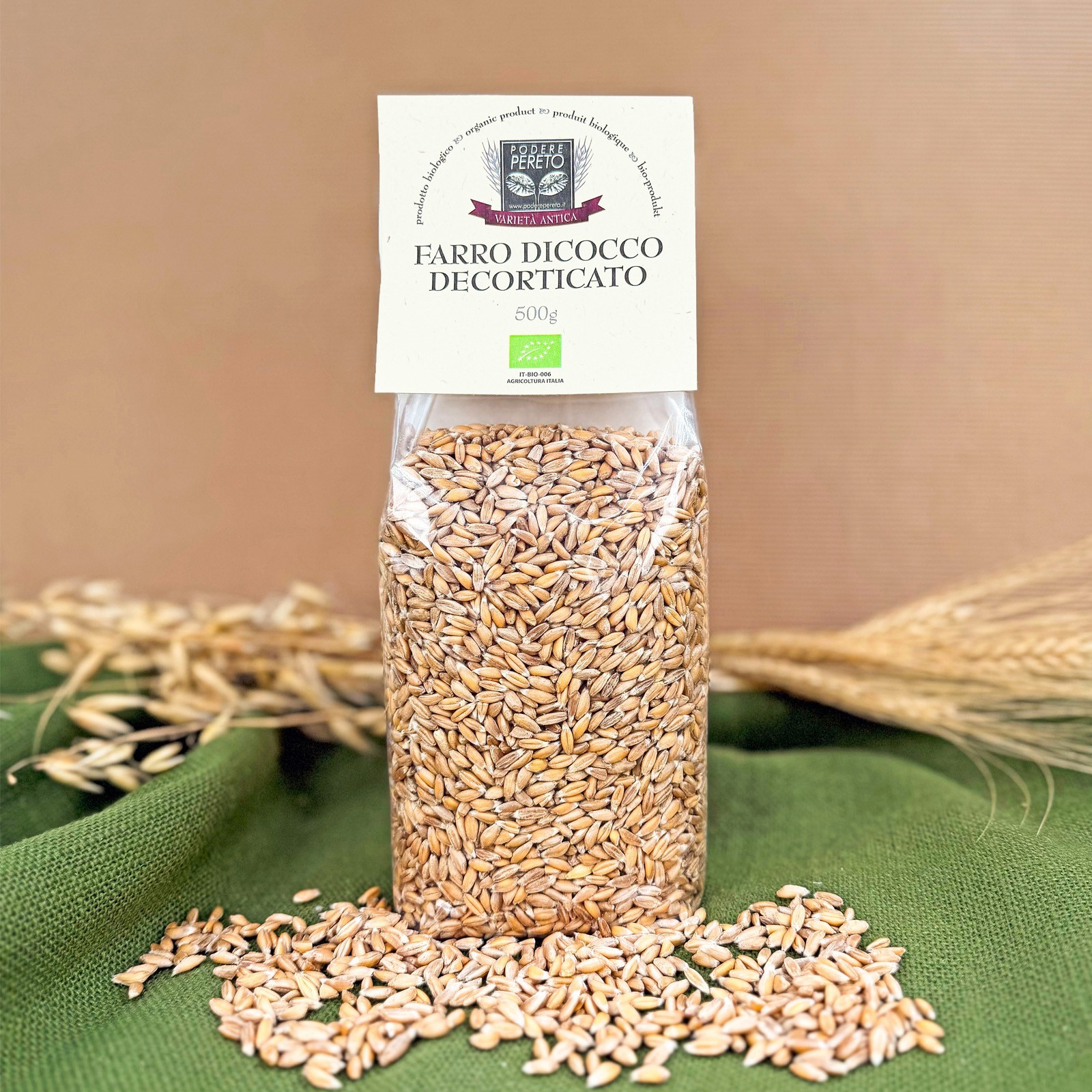
Dicocco emmer spelt is an ancient cereal cultivated since the time of the Etruscans and Romans. It is a “hulled” grain: the kernel retains a protective outer layer even after harvesting and undergoes dehulling to remove the external husk. This natural protection makes it a hardy crop and particularly well suited for organic farming. Rich in high-quality proteins, fibre, minerals, and slow-release carbohydrates, it provides long-lasting energy and is ideal for athletes and colder months. In the kitchen, it maintains an excellent texture: it is perfect in soups, for “farzotto” (a risotto-style preparation made with spelt), or in cold salads.
 Order online – fast and secure
Here you will find all the commercial terms of sale and return policies for our products.
 Environmental Sustainability
Our products are grown using a sustainable model that values and protects the environment.
Organic decorticated dicocco emmer
Decorticated dicocco emmer
Dehulled emmer spelt requires a short soaking period of a few hours before cooking. Cooking takes approximately 35 minutes and can be carried out directly in the salted soaking water. In the kitchen, it is an exceptionally versatile ingredient: it is perfect for enriching soups and stews, preparing as a risotto-style dish (“farzotto”), stir-frying with vegetables, or combining with legumes such as beans and lentils. Excellent served cold in salads or used as a filling for tomatoes, onions, aubergines, and peppers, its distinctive flavour is particularly enhanced when paired with fish and all types of pesto. Cooked grains can be added to bread and focaccia doughs to help maintain softness over time, or used in desserts as a substitute for wheat, as in the traditional Italian “pastiera”. The recommended serving size is 30–50 grams per person for soups and approximately 80 grams for dry dishes or “farzotto”.
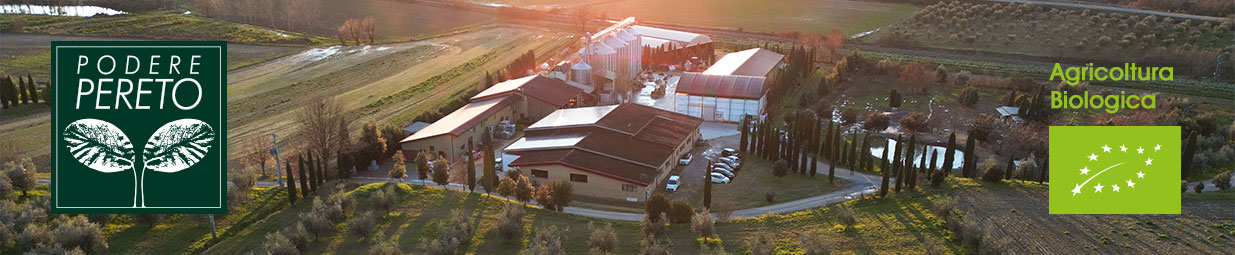
Azienda Agricola Podere Pereto di Bordoni Franco
Available in 500 g and 5 kg packs
Italy
Store in a cool, dry place, away from direct light and heat sources. After opening, reseal the package carefully or transfer the product to an airtight container.
| Energy | 1501 kJ / 359 kcal |
| Total Fat | 2,4 g |
| - of which saturated fat | 0,4 g |
| Carbohydrate | 65,2 g |
| - of which sugars | 5,4 g |
| Protein | 14,9 g |
| Fibers | 8,5 g |
| Salt | < 0,02 g |
For 500 g packs: contains gluten; may contain traces of mustard.
For 5 kg packs: contains gluten; may contain traces of nuts and mustard.

ICEA IT-BIO-006
Product of Organic Farming

Specific References
Dicocco emmer spelt is an ancient cereal cultivated since the time of the Etruscans and Romans. It is a “hulled” grain: the kernel retains a protective outer layer even after harvesting and undergoes dehulling to remove the external husk. This natural protection makes it a hardy crop and particularly well suited for organic farming. Rich in high-quality proteins, fibre, minerals, and slow-release carbohydrates, it provides long-lasting energy and is ideal for athletes and colder months. In the kitchen, it maintains an excellent texture: it is perfect in soups, for “farzotto” (a risotto-style preparation made with spelt), or in cold salads.
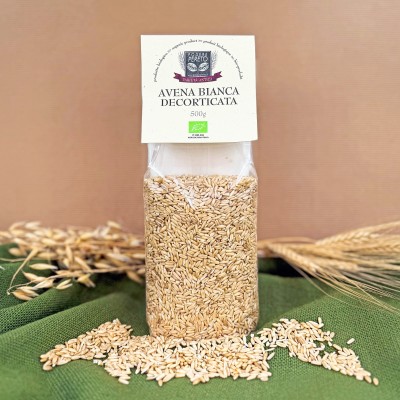
Oats originate from the cold climates of Northern Europe but are also widely grown in Italy. Unlike wheat, oats retain a protective outer hull after harvesting and must be dehulled before they can be used for food. They are rich in soluble fibre and provide high-quality protein, making them highly digestible and naturally low on the glycaemic index. Oats are still being studied for their role in the diet of people with coeliac disease and are currently not recommended for people affected by the condition. However, they are suitable for individuals with gluten intolerance and can be part of a balanced diet.
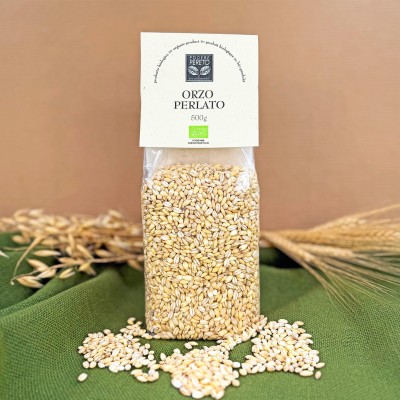
Barley is an ancient grain, traditionally grown for both human and animal consumption. It is a "hulled" grain, meaning its kernel retains a protective outer layer even after threshing. When it undergoes pearling, a mechanical process that removes this outer hull, it becomes pearl barley, a variety that cooks faster and does not require soaking.Rich in starch, it releases a creaminess during cooking that helps thicken dishes. It is a light, highly digestible food suitable for all ages, making it especially good for children, the elderly, and anyone with gastrointestinal sensitivities. Thanks to these qualities, it is an excellent alternative to pasta and rice, even for evening meals.
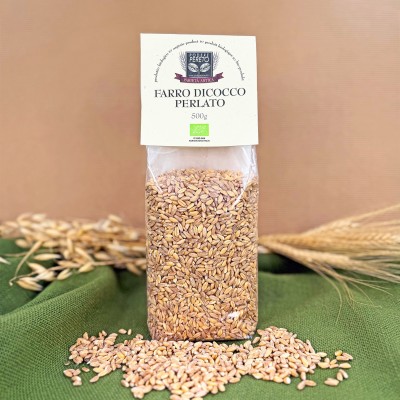
Pearled Emmer Farro is an ancient and prized grain, cultivated in Tuscany since the Etruscan and Roman eras. Unlike common wheat, its kernel is born hulled and undergoes a delicate dehulling process that removes the outer protective layer: this pearling process reduces preparation time and eliminates the need for soaking. Rich in dietary fiber and exceptionally high-quality plant-based proteins, it is a nutritious, energy-boosting food—perfect for active individuals or for starting your morning with sustained vitality.
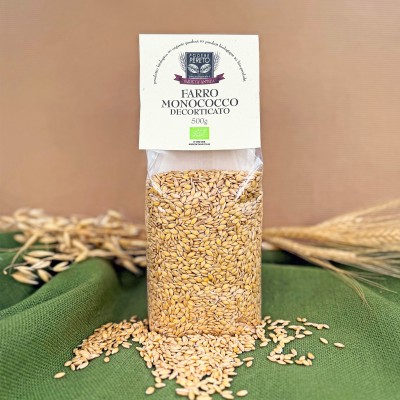
Einkorn Farro, also known as 'Piccolo Farro' (Small Spelt), is the oldest cultivated grain known to humanity and the ancestor of emmer wheat (*farro dicocco*). Hardy and resilient in the field, this hull-encased grain is gently dehulled to make it edible while keeping its extraordinary nutritional qualities intact. Exceptionally rich in dietary fiber and featuring a highly digestible gluten structure, it is ideal for those seeking natural wellness support or managing mild gluten sensitivity. It delivers smooth, sustained energy, making it perfect for any time of day—especially for evening meals.
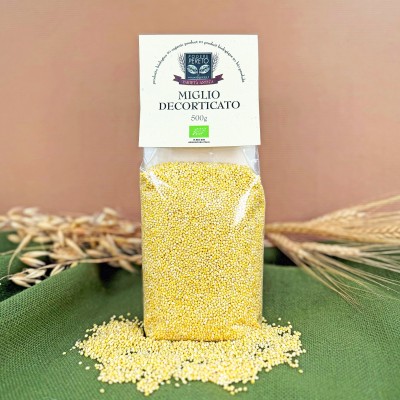
Millet is one of the oldest cereals cultivated by humankind, with evidence of its use dating back to the Neolithic period. Naturally hardy and drought-resistant, it thrives even in our fields. Before reaching your table, the grain is gently dehulled through a delicate mechanical process that removes its outer husk. The result is small, golden kernels with a mild, slightly sweet flavour that are easy to cook and naturally gluten-free. Exceptionally versatile, millet can be enjoyed at any meal, from breakfast to dinner. It is delicious in soups and salads, works perfectly as a base for veggie burgers and patties, and can be used as an alternative to rice and other grains. A simple, wholesome ingredient that's well worth rediscovering.