









Organic Farmers in Tuscany Since 1993
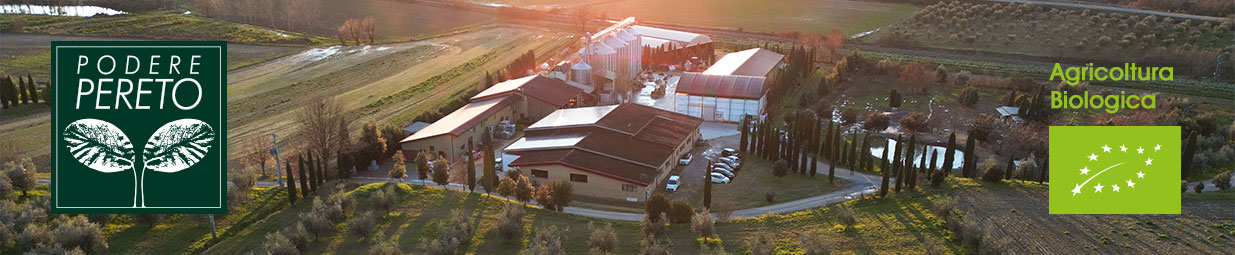
Podere Pereto Farm, founded by Franco Bordoni, was established in 1991 in Rapolano Terme, in the heart of Tuscany, in the province of Siena.
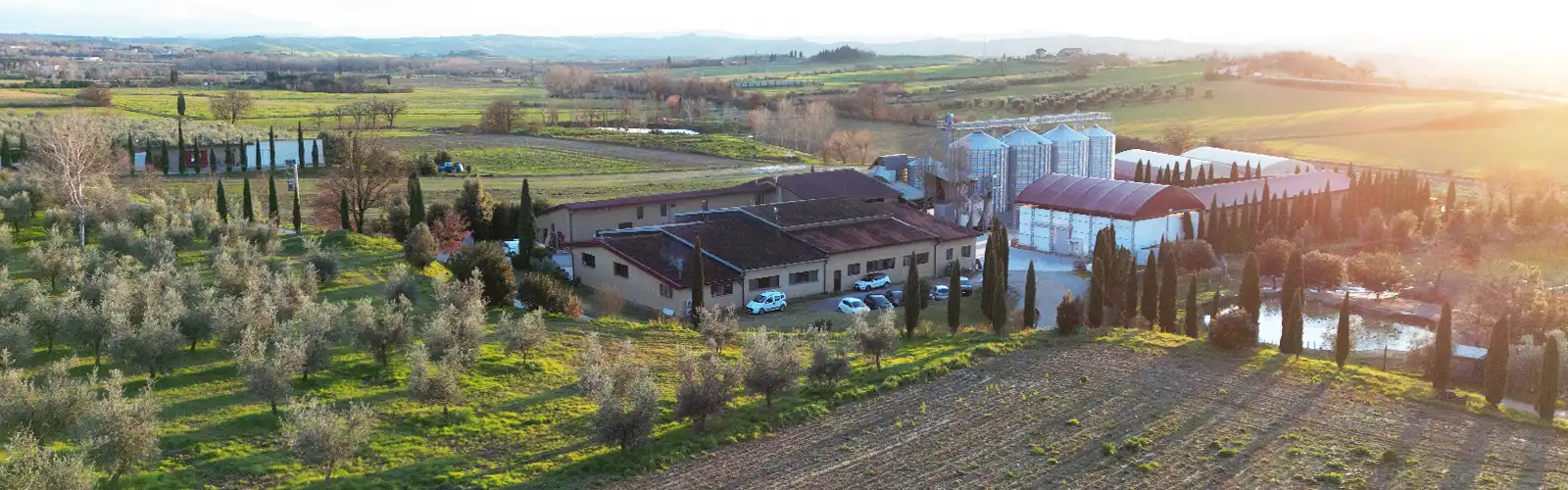
The farm is located on an ancient sixteenth-century estate, surrounded by the gentle contours of the Tuscan hills, the undisputed protagonists of the enchanting Crete Senesi landscape. This extraordinary setting immediately convinced Franco and Barbara that respect for nature and the protection of the ecosystem would always have to be at the heart of their work.
With these principles as their starting point, choosing organic farming could only be a natural step, in every sense of the word.
From the very beginning, the two founders set out to create a sustainable microcosm from an ecological, economic and social perspective. At the time, this was a highly innovative production model, far removed from the principles of conventional agriculture, which still remains the most widespread farming model today.
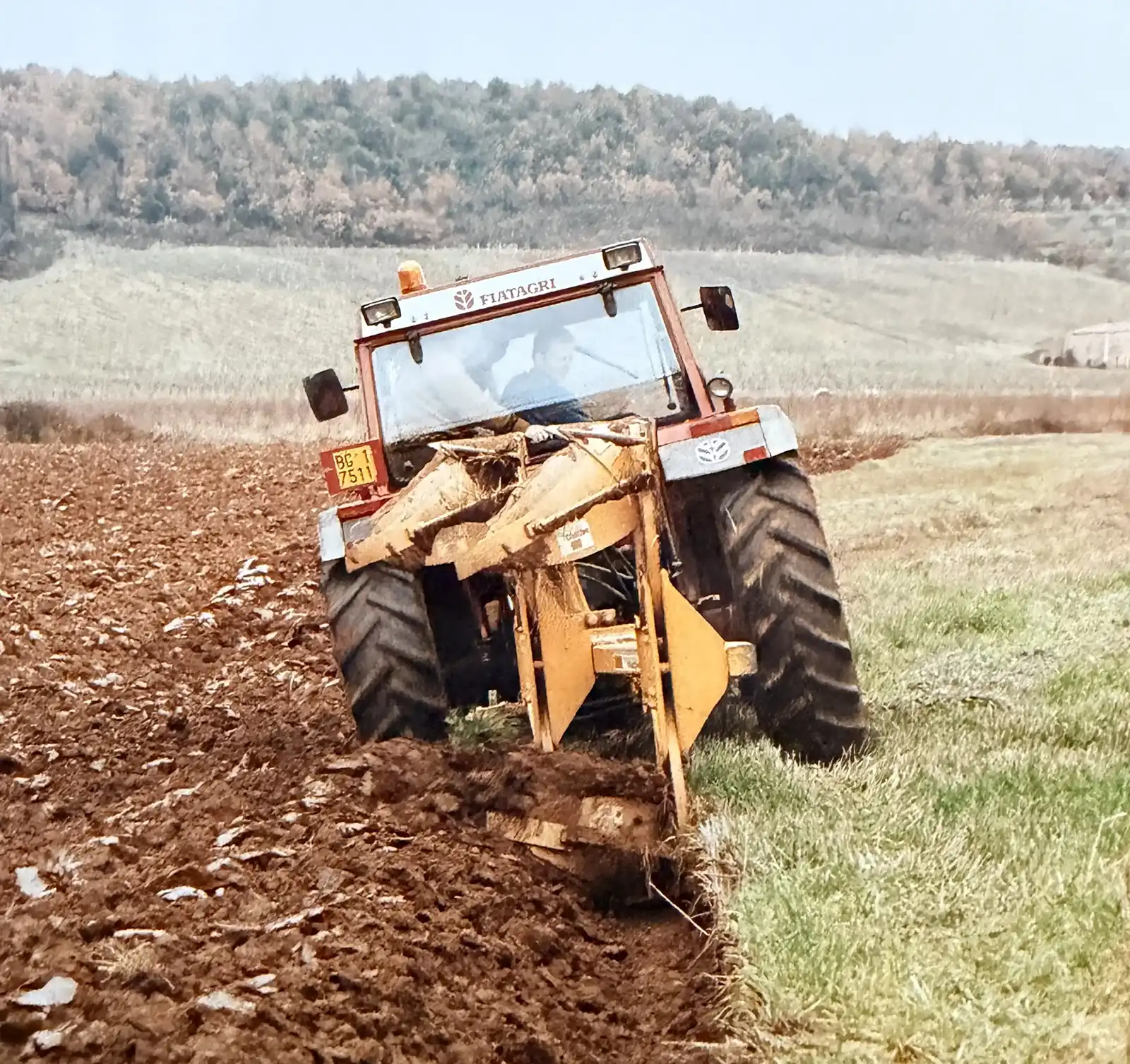
From the outset, local and ancient varieties were cultivated, excluding the use of chemical and synthetic fertilisers and pesticides, in line with the provisions of the first European regulation on organic farming introduced in 1991. In 1993, the farm officially obtained organic certification from ICEA.
In 1994, Podere Pereto also began collaborating with the “Associazione degli Agricoltori Custodi”, with the aim of promoting the recovery and preservation of ancient seed varieties of Tuscan origin, precious witnesses to an agricultural heritage that deserves to be protected. These are delicate varieties, often affected by genetic erosion, meaning the loss of plant biodiversity.
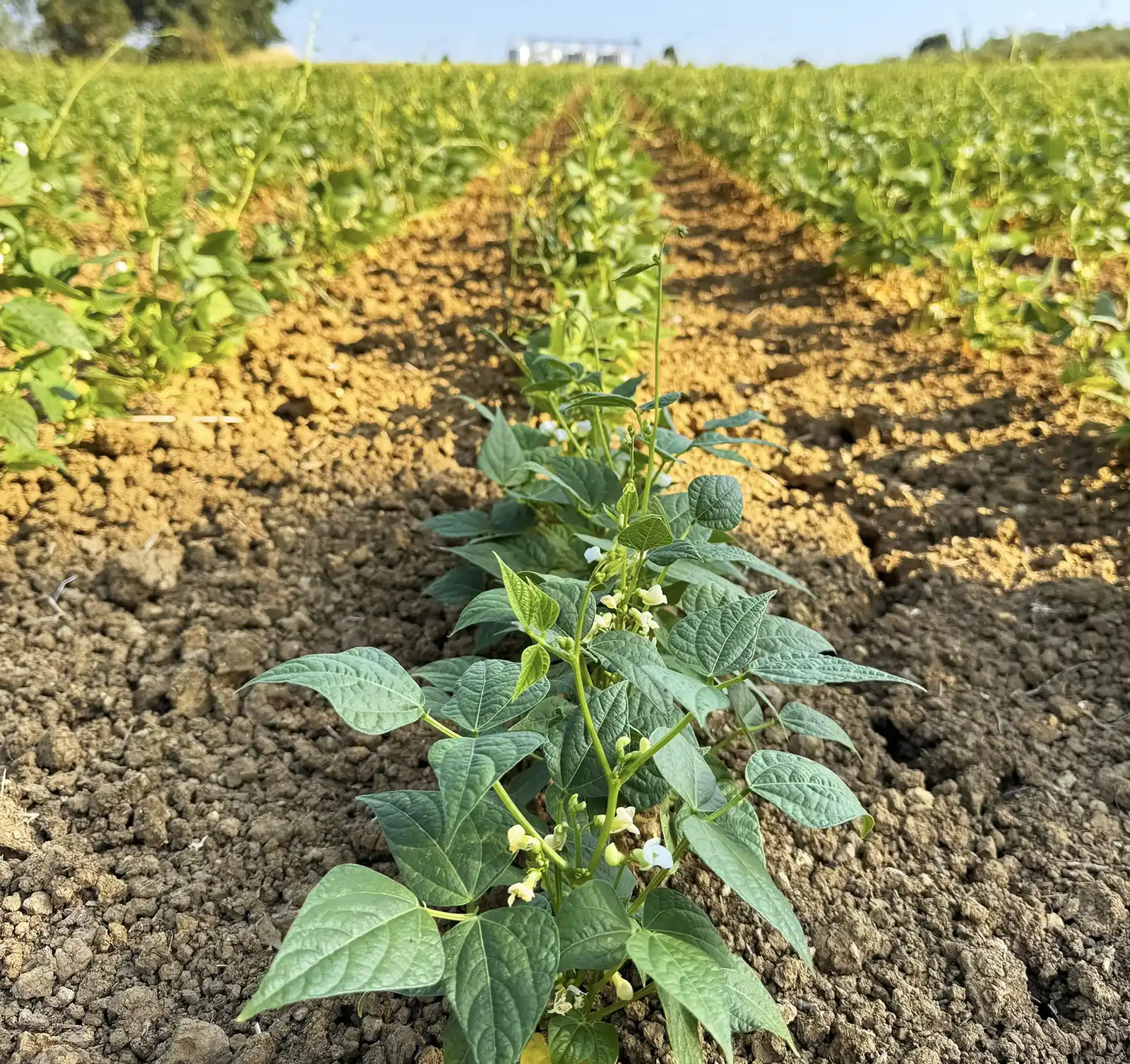
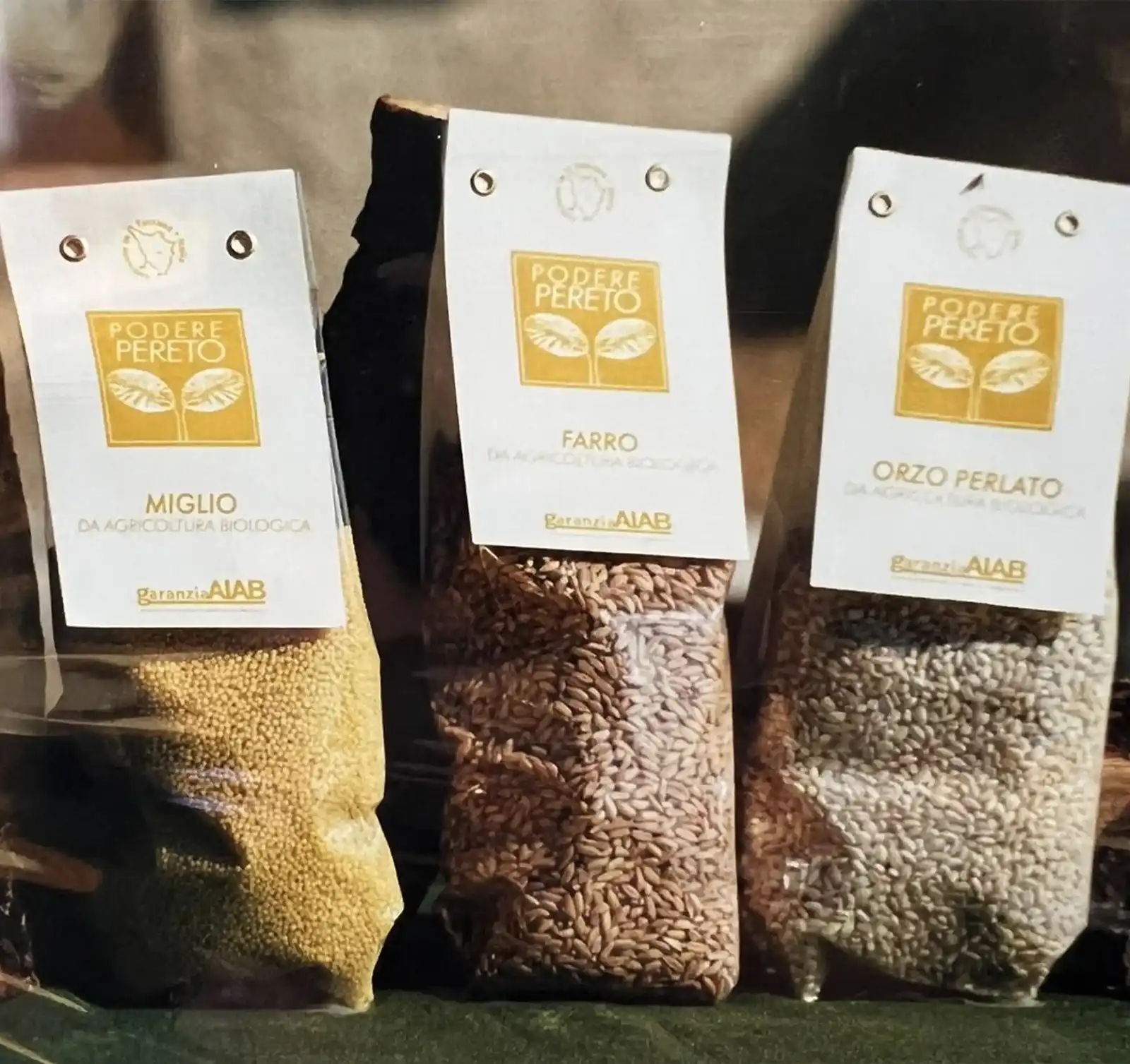
Even today, these varieties can still be found on the land of elderly farmers who continue to cultivate the seeds handed down by their ancestors, preserving their quality, value and flavour. Legumes such as small chickpeas, Toscanello and Zolfino beans, and cereals such as Verna, Gentil Rosso and Frassineto soft wheat, together with Cappelli durum wheat, are not only naturally well adapted to the local soil and climate, but also retain unique nutritional characteristics. These qualities make them particularly well suited to organic farming, as they do not require specific external inputs to grow and withstand the various climatic and other challenges that may arise during cultivation.
Growing legumes also allows the farm to adopt crop rotation, avoiding the excessive exploitation of the soil associated with intensive farming methods. This system involves alternating leguminous and cereal crops from year to year on the same plot, helping to maintain soil balance thanks to the ability of legumes to fix nitrogen and make it more readily available to plants. All of this contributes to the production of healthy, high-quality food, embodying respect for the environment and the principles of a fully sustainable farming system.
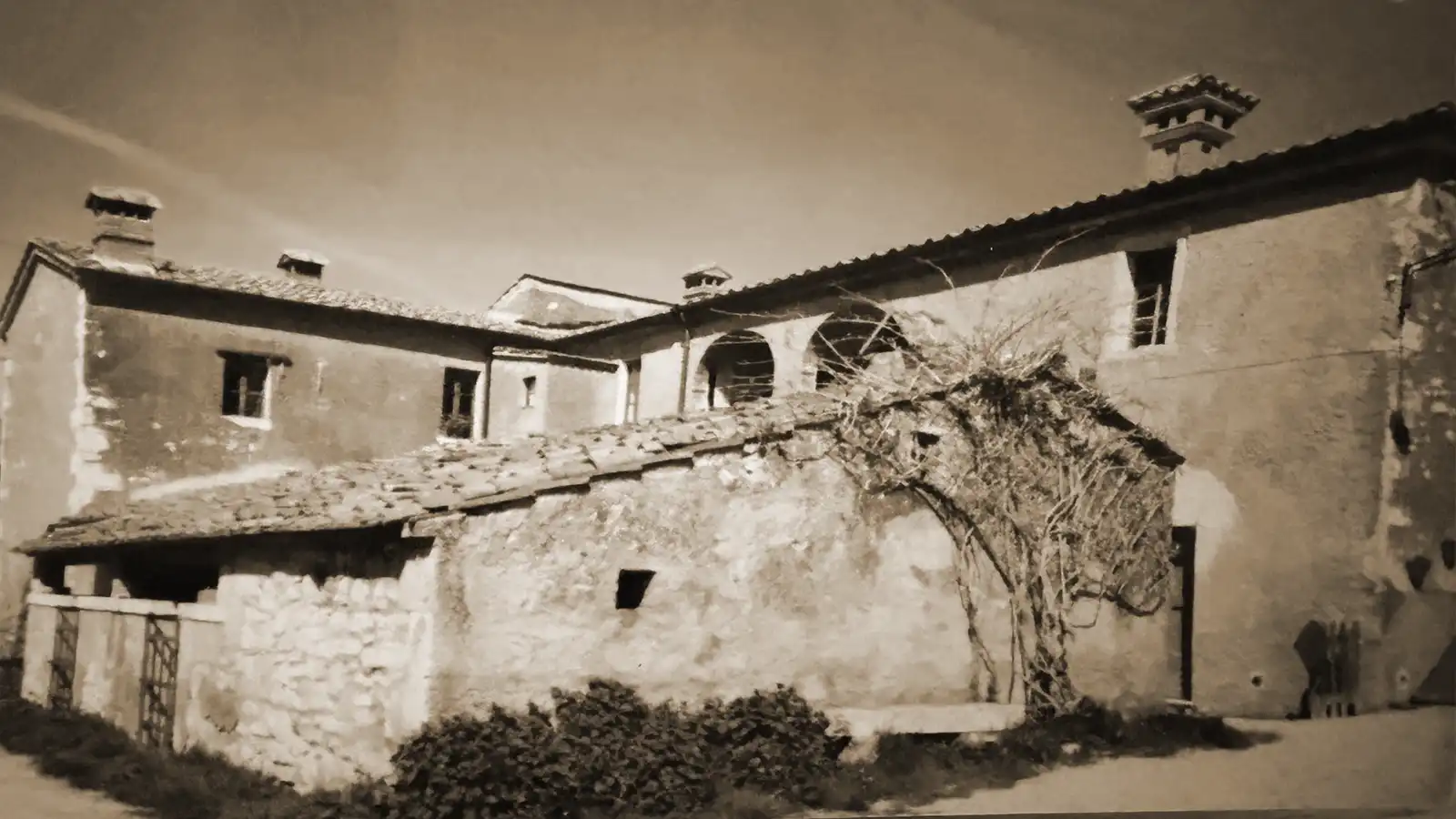
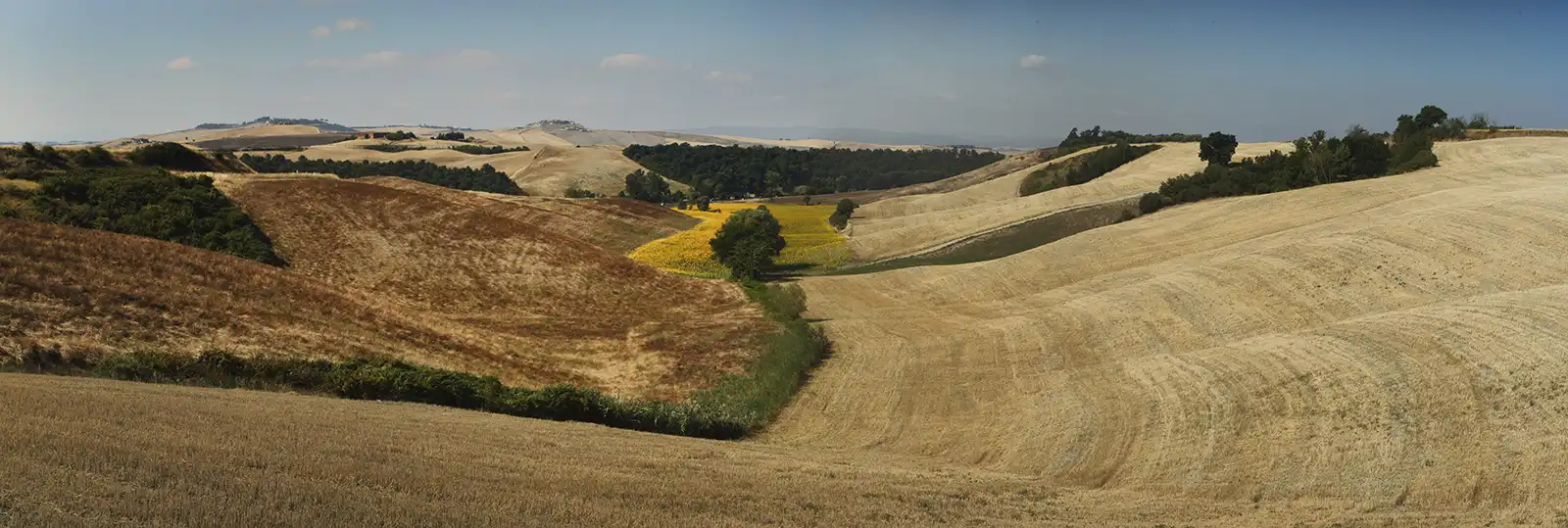
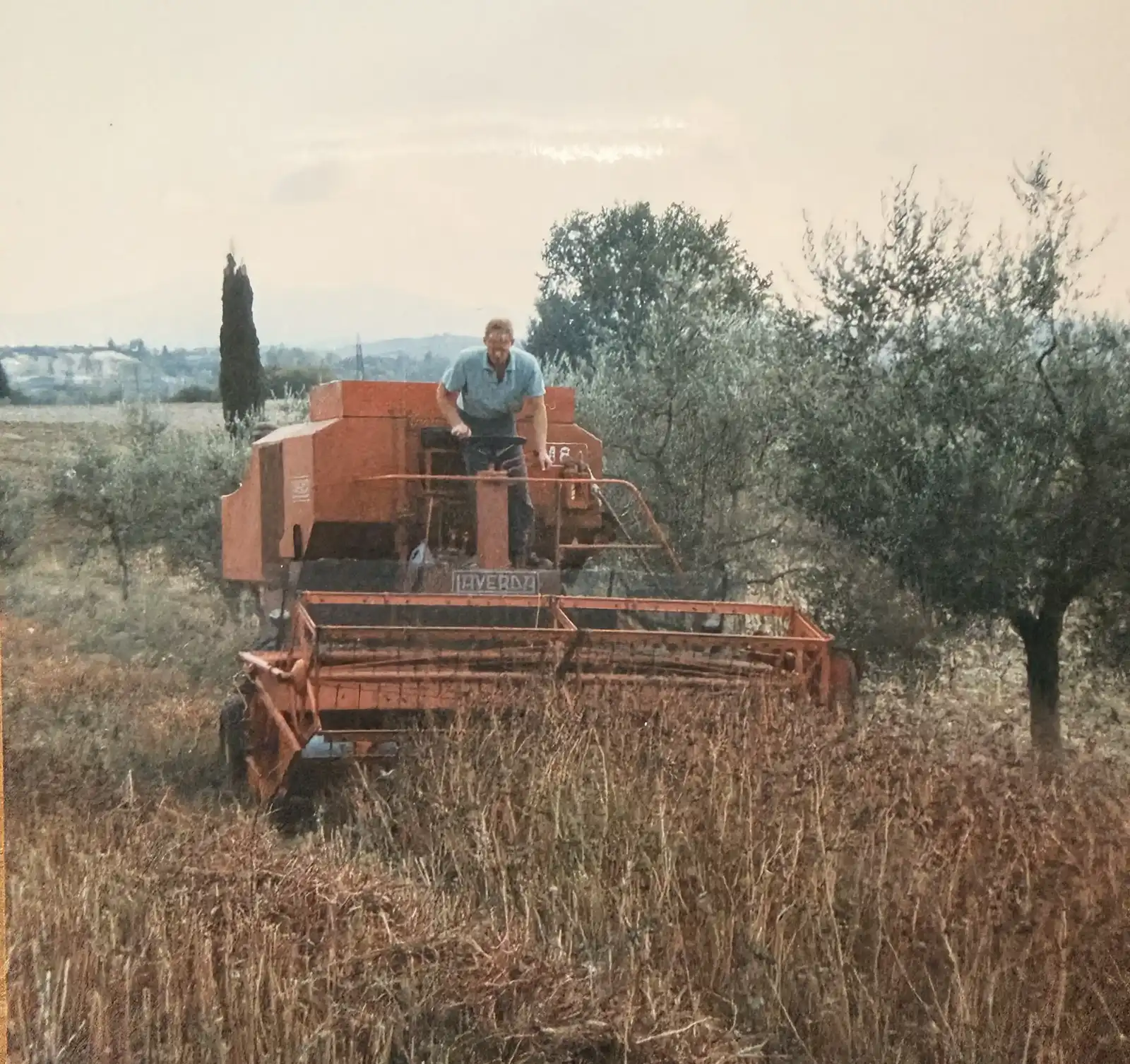
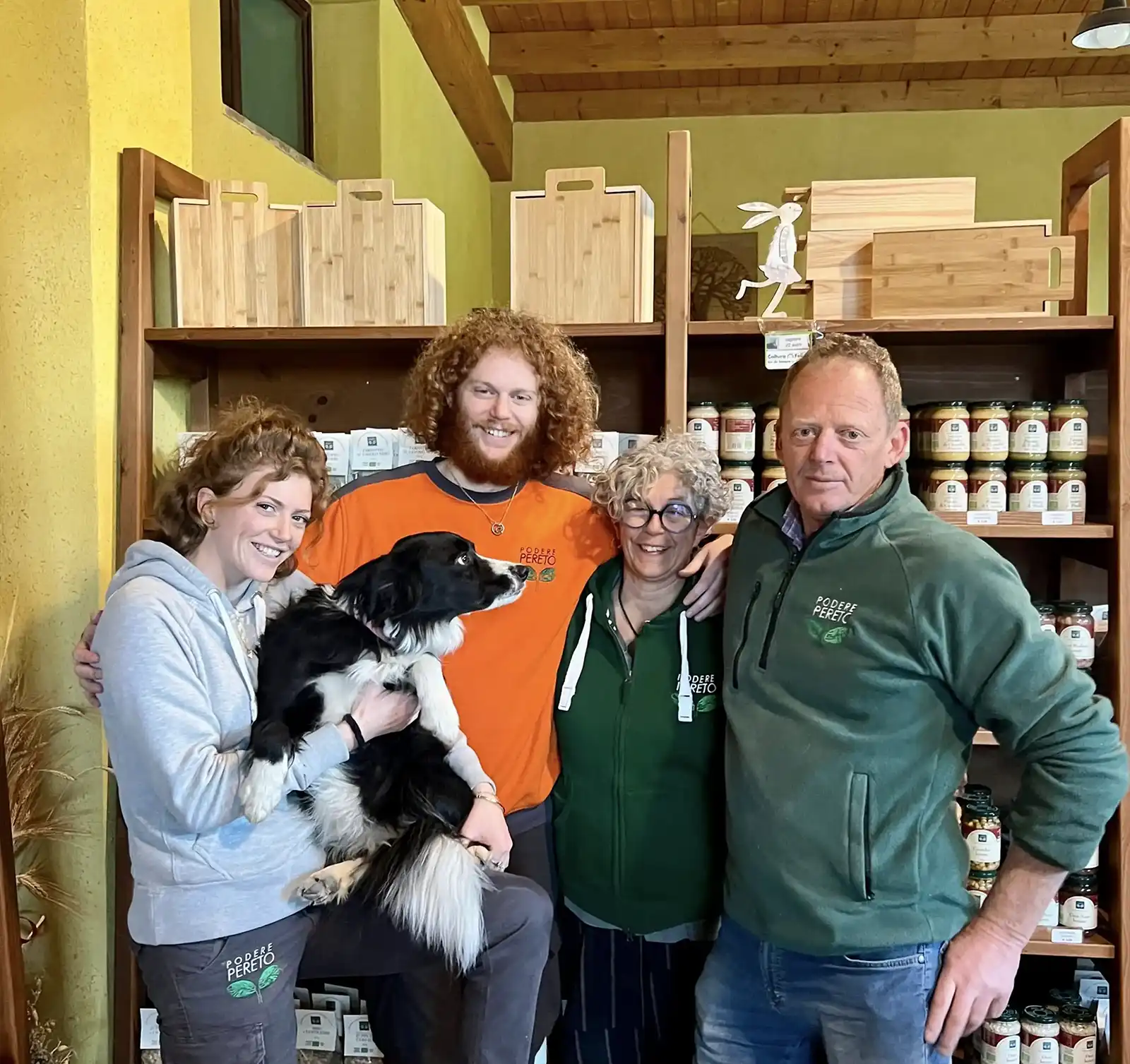
Barbara and Franco did not limit themselves to putting love into their work: in 1995 and 1997, Guido and Federica were born, destined to become key figures in the development of Podere Pereto.
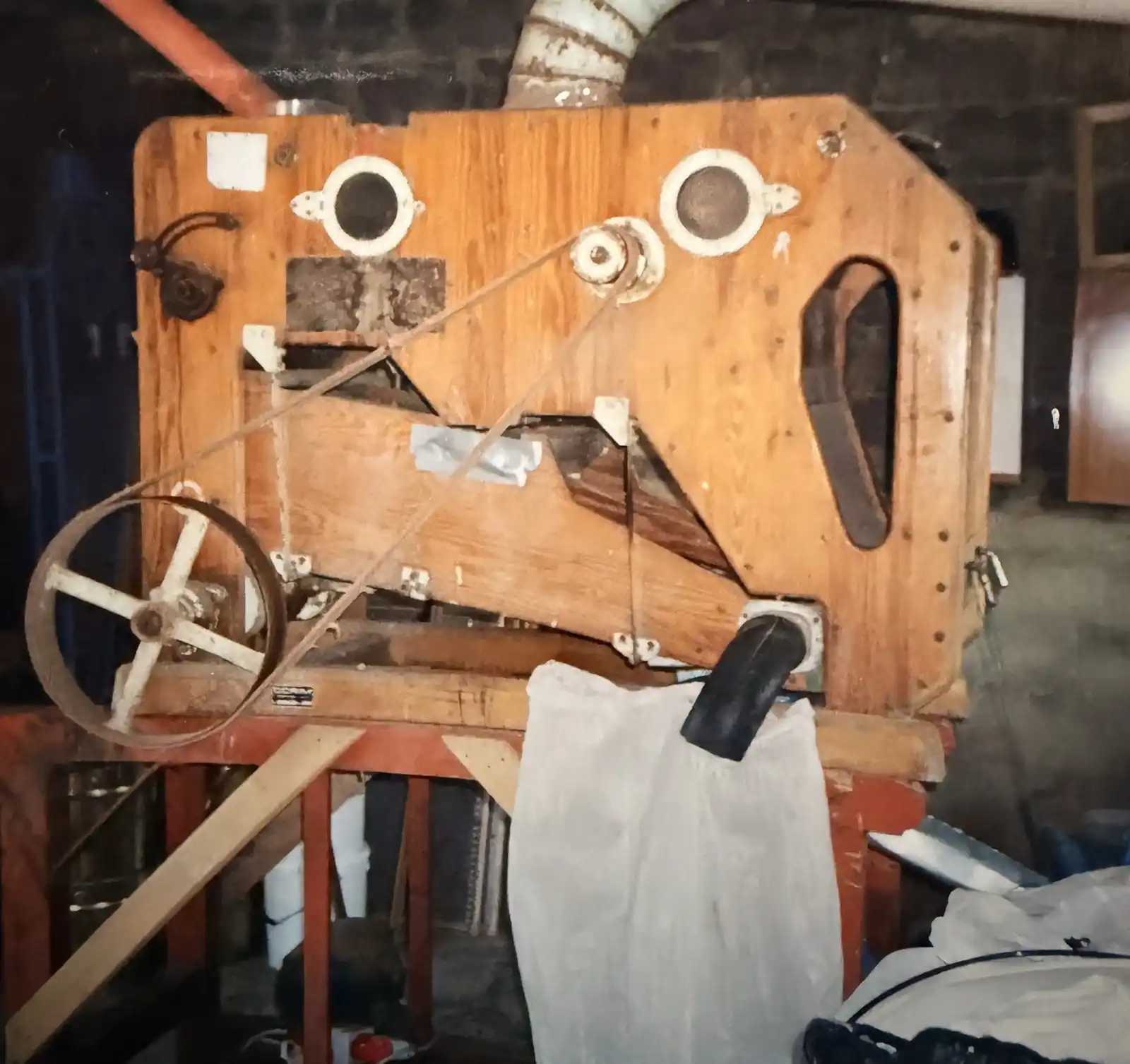
At the same time, the very first product processing activities began: the cellar beneath the family home became the first farm processing facility. Small quantities of legumes and cereals were cleaned and packaged by hand, while the first bottles of Podere Pereto organic extra virgin olive oil were produced.
In 2001, thanks to funding from the European Community, an agricultural building was constructed, which would become the farm’s current headquarters. Equipped with small, state-of-the-art machines, it enabled the farm to clean and process its own raw materials, before vacuum-packing them and storing them in an adjacent warehouse. Thanks to these small-scale artisanal productions, an increasing number of people discovered and appreciated Podere Pereto products, strengthening the farm’s presence in the local area.
In 2003, the farm acquired a new group of plots in the Selvapiana area, also within the municipality of Rapolano Terme. This acquisition quadrupled the cultivated land owned by the farm, bringing the total to 25.36 hectares. These fields allowed Franco to expand both the range of crops grown, particularly tomatoes and maize, and the quantities produced.
This brings us to 2008, the year in which an important expansion project was launched to ensure continued growth and development. Several new facilities were built, including a dedicated facility for the screening and dehulling of cereals and legumes, an office, a space for direct sales, and new areas for storage and packaging. Finally, refrigerated storage rooms were built for the storage of more perishable products.
These investments led to the creation of a short and efficient supply chain for cereals and legumes, allowing continuous control over every stage of production.
After the raw materials have been processed, the finished products are packaged in a protective atmosphere using food-grade nitrogen, ensuring a longer shelf life. The result is a high-quality artisanal product, continuously monitored from germination all the way through to final packaging.
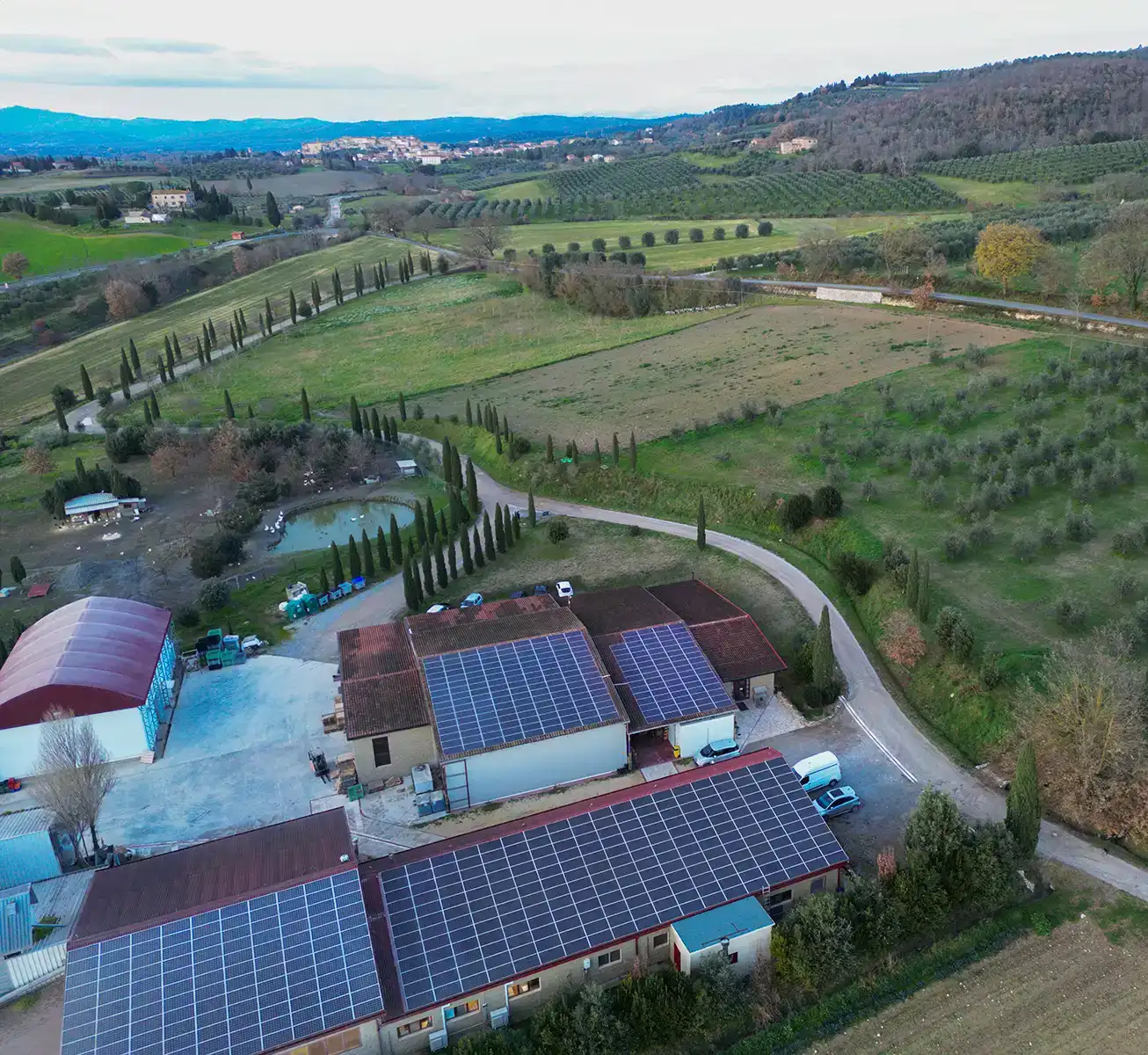
The growth achieved over these years did not change the spirit of Podere Pereto: our commitment to the environment has always remained one of our founding principles. For this reason, the construction of the new processing facilities was accompanied from the very beginning by the installation of photovoltaic panels. As early as 2010, the farm was able to produce clean energy, becoming almost completely energy self-sufficient.
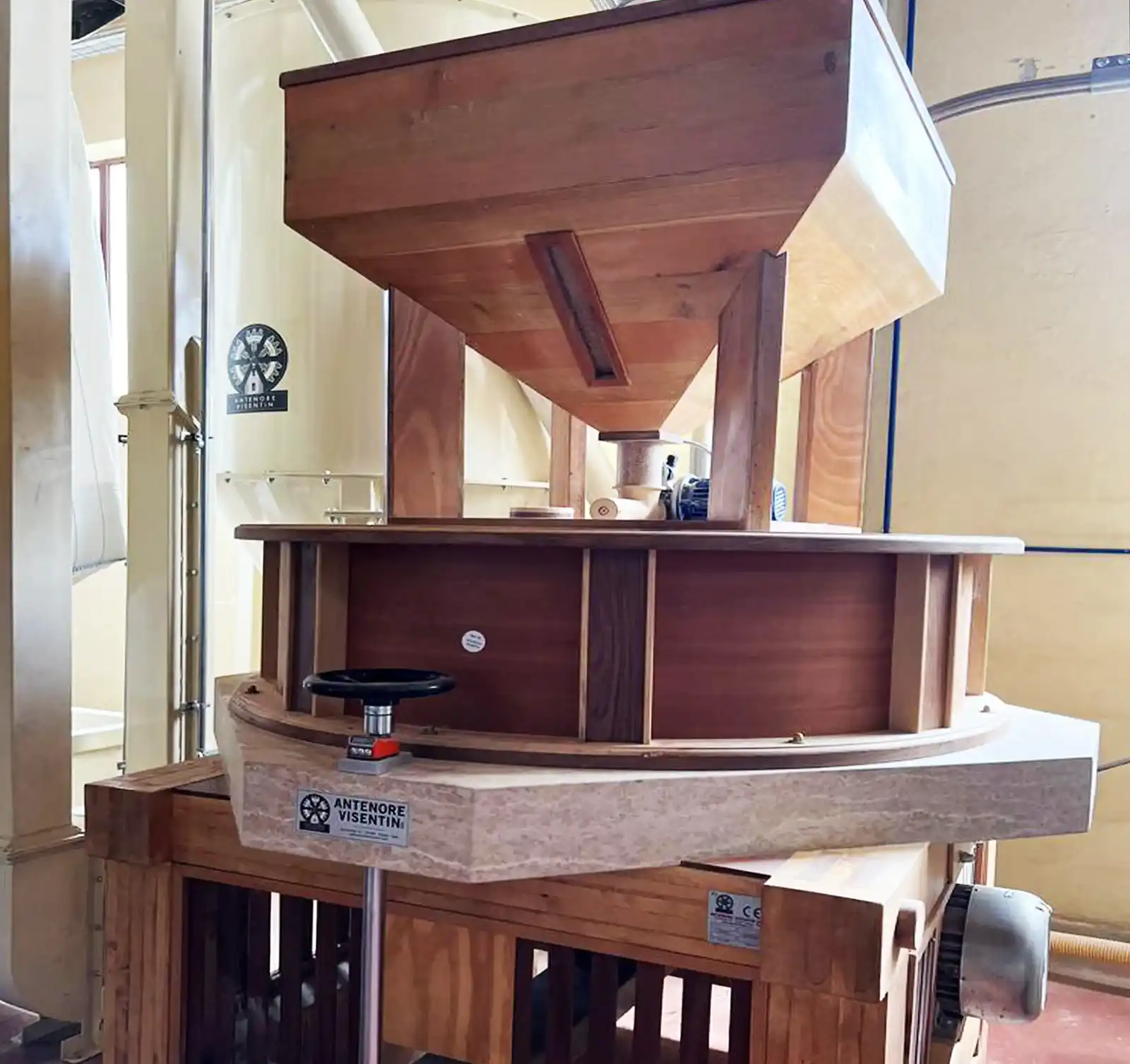
The evolution of Podere Pereto did not stop there. The farm also acquired a stone mill, adding organic flours to its production of whole-grain cereals and legumes. This proved to be a strategic addition, as it allowed us to further shorten the production chain, enhancing the quality of the raw materials grown on our own land.
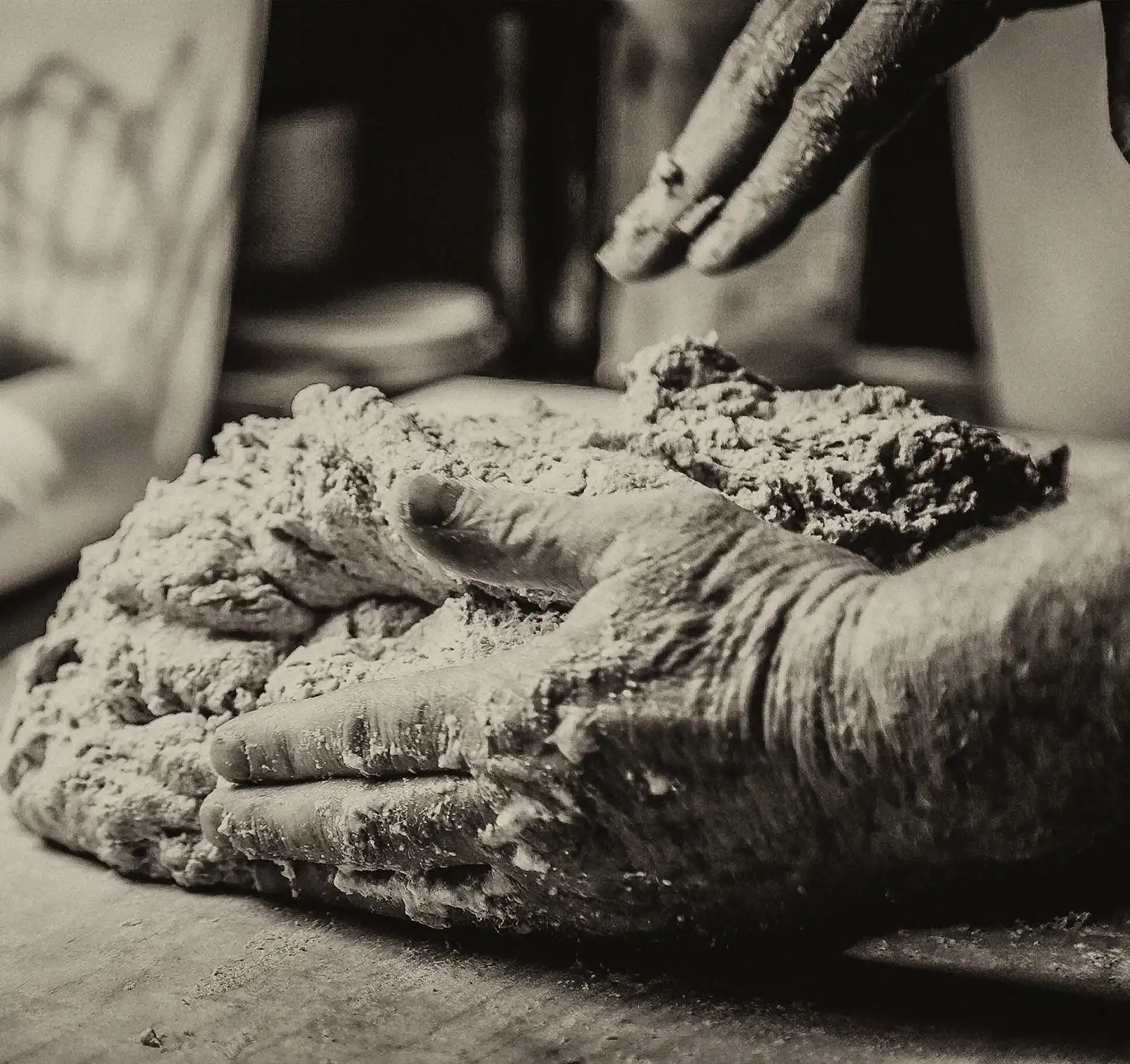
It was therefore a natural step, in 2018, to get our hands into the dough: this marked the birth of the Lieve range, a selection of short-supply-chain baked goods made with our own farm-produced flours, including biscuits, breadsticks, crackers and bread. The goal is to offer consumers organic baked goods capable of bringing out the flavours of our farm’s ancient grains, while carefully overseeing every stage of production, from the field to the table.
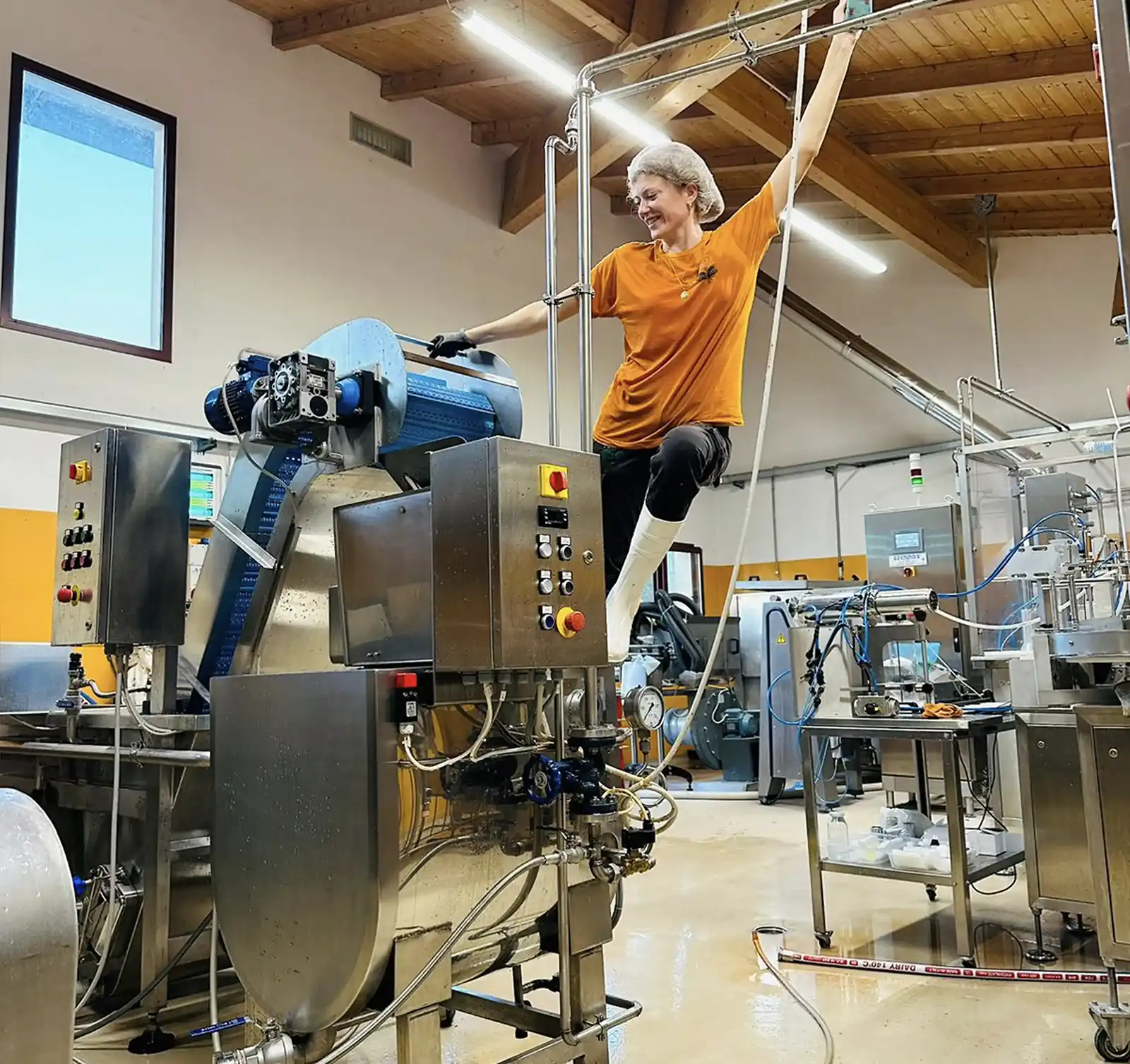
At the same time, we opened a fruit and vegetable processing facility, allowing the farm to produce tomato passata, sauces, ready-made sauces and fruit preserves entirely in-house. Here too, the goal remains the same: to have greater control over the processing of our own raw materials, improving the final result while reducing our environmental impact.
At the beginning of 2020, COVID-19 arrived, bringing with it a great deal of uncertainty and concern. Once again, the farm was called upon to reinvent itself. During this period, our e-commerce store was launched, allowing all our customers to purchase our products conveniently from home. Meanwhile, Italy rediscovered a passion for leavened baked goods, and Franco also donned his miller’s hat: the farm recorded record sales of organic flours.
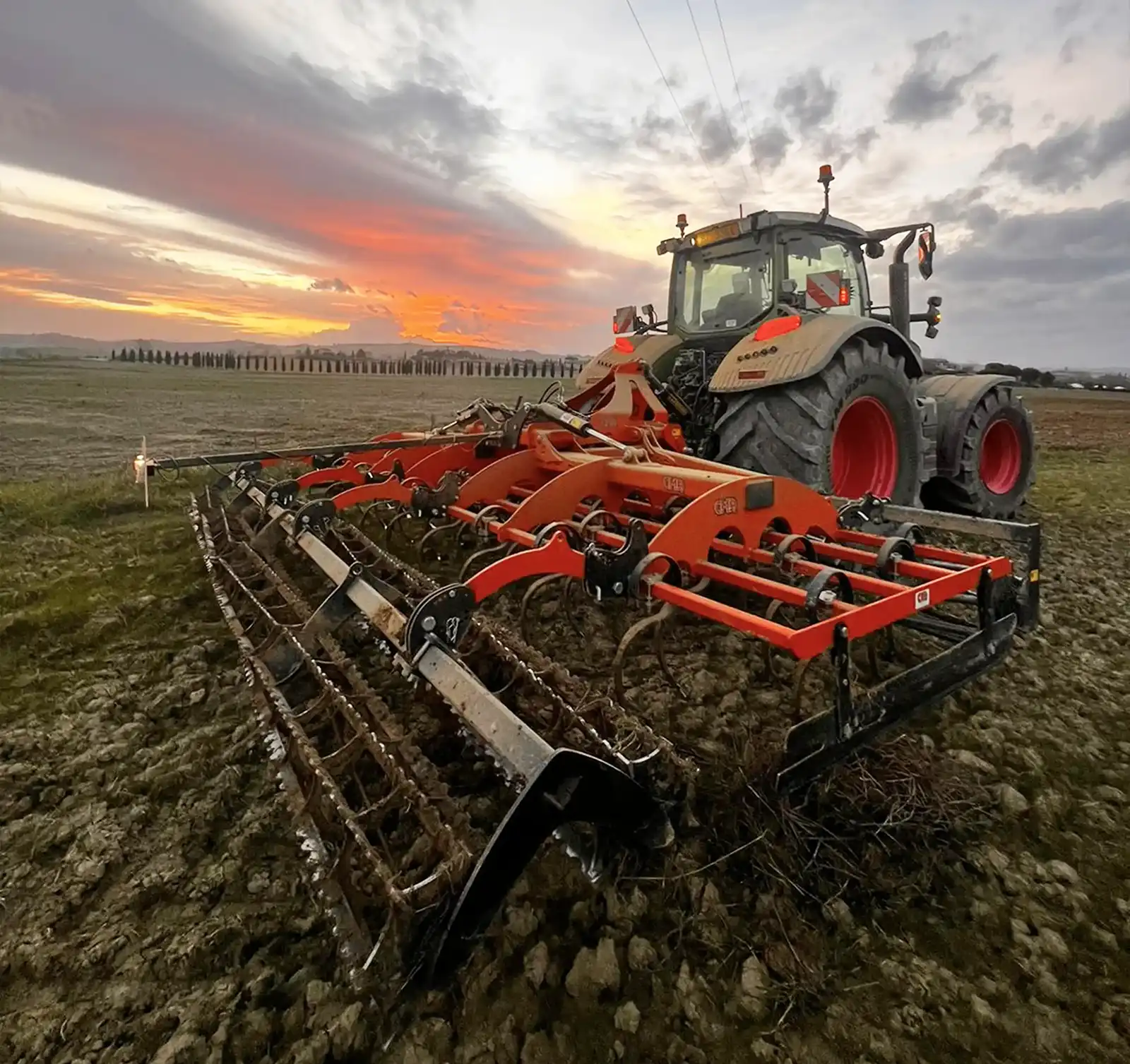
What helped keep the business afloat, however, during a period of severe energy and economic crisis, were the strategic investments made in previous years: from photovoltaic panels to state-of-the-art agricultural machinery, which ensured significant energy savings and a tangible benefit for the environment.
Today, after almost thirty years in business, Podere Pereto continues to expand, without ever losing sight of environmental sustainability, the guiding principle behind every business decision.
In 1991, Franco had around ten hectares at his disposal; today, the farm cultivates approximately 600 hectares. Over the years, it has become a point of reference for numerous local farms, creating a small yet valuable organic supply chain: a breath of fresh air for the local area and its community.
The product catalogue has also expanded, growing from the initial 8 products to approximately 250 today. This growth has been made possible by a forward-looking vision, supported by targeted investments in the innovation of our facilities, machinery and production processes.
All of this is underpinned by the memory of tradition: from the constant study of seed varieties and farming techniques to the deep knowledge required to care for the land and fields of the Crete Senesi.
Finally, if Podere Pereto continues to stand out today, it is solely thanks to the tireless work, sacrifice, kindness and honesty of everyone who has contributed to writing the farm’s history.