







Research and Innovation
UPToMi – Millet: a small but remarkable grain to rediscover
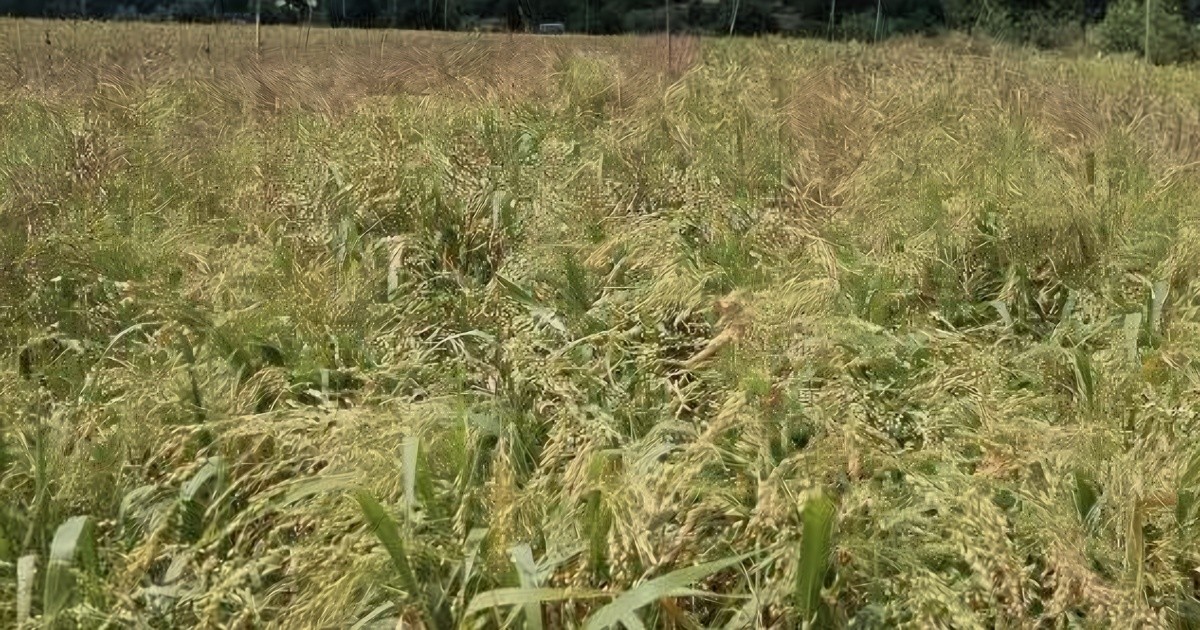
Small, golden and naturally gluten-free, millet is one of the oldest grains cultivated by humans. For centuries, it was also a staple food in rural Italy, before being gradually replaced by wheat and maize. Today, it is attracting renewed attention, and for good reason. In the field, millet is a modest and resilient crop: it matures quickly, tolerates heat and drought well, is relatively resistant to diseases and, thanks to its C4 photosynthetic metabolism, uses water and nutrients very efficiently. Its root system helps improve soil structure, making it an excellent renewal crop in rotations. At the table, it offers an interesting nutritional profile, providing protein, fibre, micronutrients and phenolic compounds, while scientific literature associates it with a low glycaemic index. In an agricultural system increasingly faced with hotter and drier summers, millet is, in short, a grain that looks to the future.
Yet very little millet is grown in Italy. The country is a net importer, purchasing more than ten thousand tonnes from abroad every year, while much of the millet produced domestically is destined for animal feed. For human consumption, the market mainly offers hulled millet grains and flours made from dehulled millet. The main challenge lies in processing: because millet is naturally gluten-free, it cannot form the elastic network that traps the gases produced during fermentation. This makes it difficult to use in bread, the food that more than any other could bring millet into everyday diets. Finding effective ways to process and bake with millet means turning a promising crop into a real product, with a market and added value for farmers.
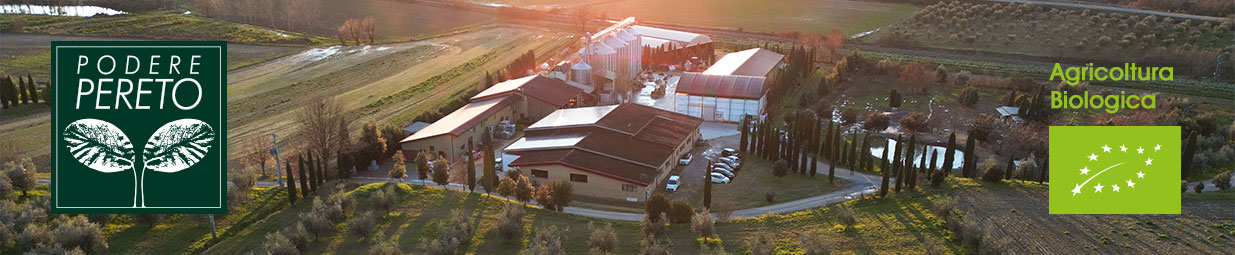
This is where UPToMi began. The pilot project was supported by the Tuscany Region through sub-measure 16.2 of the Rural Development Programme and was carried out between 2023 and 2025, with the aim of enhancing millet throughout the entire supply chain, from field to bakery. Podere Pereto was the project leader, working together with Azienda Agricola Floriddia and three departments of the University of Florence: DAGRI for the agronomic research, NEUROFARBA for processing and chemical analyses, and the Department of Health Sciences for the study of the biological properties of the flours.
In the field, different lines of proso millet were compared over two consecutive growing seasons, with different levels of nitrogen and phosphorus fertilisation, alongside trials on pearl millet and finger millet. The experiments showed that some millet types are productive and well adapted to Tuscan conditions, and that at Podere Pereto the crop produced particularly large and well-formed grains. The results also clearly showed that phosphorus is the main limiting factor, with more than ten additional kilograms of grain produced for every kilogram of phosphorus applied, while excessive nitrogen can make the plant more vulnerable during the hot month of July. Pearl millet and finger millet, both of tropical origin, proved less suited to the day length at our latitudes. This was an equally useful result, confirming proso millet as the most suitable choice for Tuscany.
The heart of the project, however, was processing. To preserve the nutritional value of the grain, the decision was made to work with whole millet, without dehulling it, and to develop a dedicated milling protocol. Some of the resulting flours were then fermented using food-grade yeasts and lactic acid bacteria, in collaboration with Baqta. Analyses showed that wholegrain millet flours contain approximately ten times more phenolic compounds than the ancient-grain flour used as a reference. Fermentation further increased their content slightly, with a more pronounced effect in the millet grown at Podere Pereto, and promoted the formation of small peptides of nutritional interest. In laboratory tests carried out on human cells, extracts from both unfermented and fermented flours showed significant antioxidant and anti-inflammatory activity.
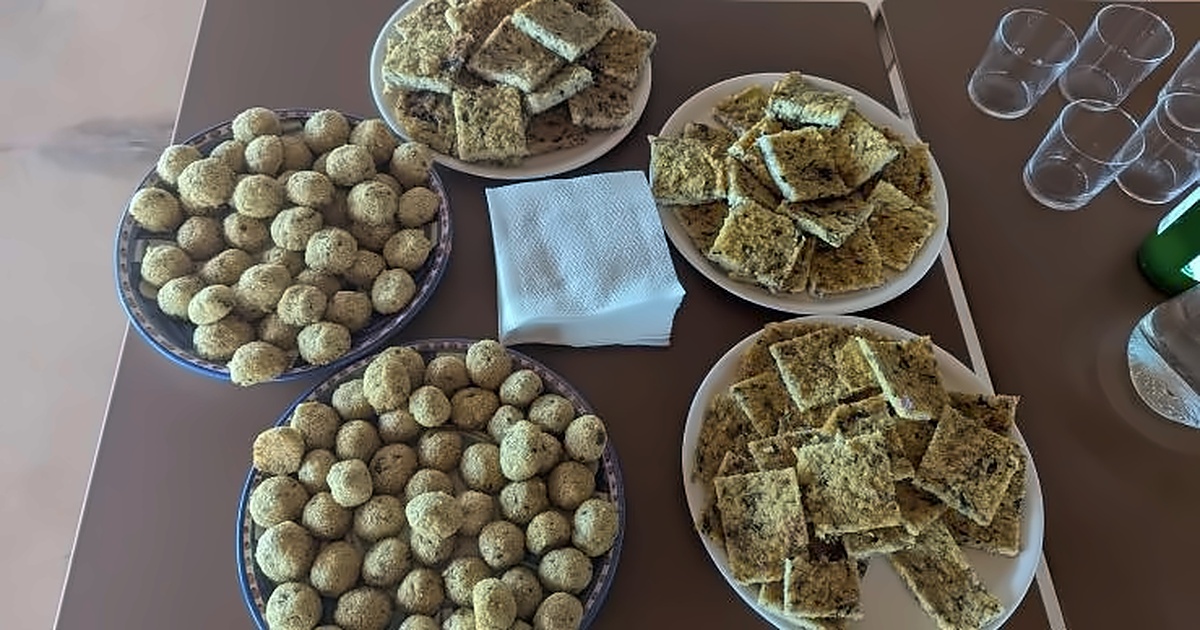
All products featuring millet flour as the main ingredient.
On the breadmaking side, more than sixty experimental loaves were produced in the laboratory, followed by around fifteen trials carried out at the partner farms, eventually leading to three optimised protocols. Three measures proved particularly important: pre-gelatinising part of the millet flour, which improves the structure of the bread without compromising its nutritional value; increasing the amount of water in the dough, which results in better development and a more open crumb; and fermentation, which improves the behaviour of the flour, with the best results obtained using coarsely milled fermented flour.
The results were shared through five outreach events, including a workshop with students from the University of Florence’s Food Science programme, a round table on innovation in Tuscan cereal farming and two final conferences held at the partner farms, the last of which took place at Podere Pereto on 16 April 2025. The project was also presented through a video available on the company website and at three national scientific conferences.
For Podere Pereto, UPToMi was another chapter in a story that began more than thirty years ago, in which research has always been an integral part of everyday work: from the recovery of ancient seeds together with the Custodian Farmers to projects such as BIOLEG, Peter Baby Bio and Cereal Bio, and the Lieve bakery product line. Taking part in projects like this allows us to experiment directly in our fields and laboratory alongside researchers, test ideas that would be difficult to investigate on our own, and turn research findings into concrete products. It also means contributing to knowledge that remains a shared resource for the entire region, benefiting other farmers and consumers.
The story of millet continues. The results achieved are a starting point, with the hope that more and more farmers, bakers and families will discover the value of this small but remarkable grain.
Project carried out with the support of the European Agricultural Fund for Rural Development – Rural Development Programme (RDP) 2014–2020 of the Tuscany Region, sub-measure 16.2.