










Research and Innovation
PETER BABY BIO Project: Nourishing the Future!
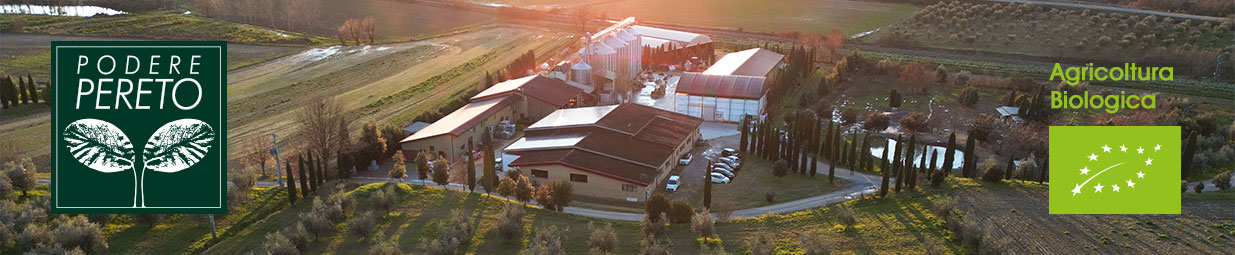
Weaning is one of the most delicate stages in a child’s life: the first thousand days can influence health well into later years, and the quality of the first foods, beginning with a balanced protein intake, plays a decisive role. Yet almost all organic baby foods available on the market are produced by large-scale retailers or multinational companies, far from the places where the raw materials are grown. This is where Peter Baby Bio was born: an Integrated Supply Chain Project supported by the Tuscany Region through sub-measure 16.2 of the Rural Development Programme (RDP), carried out between the end of 2015 and August 2018, with a clear objective: to develop and validate, directly on the farm and using organic raw materials from the Siena area, a complete range of weaning foods. The project brought together a supply chain of organic and biodynamic producers from the province of Siena, the Universities of Pisa, Siena and Bologna, PNAT, a spin-off of the University of Florence, and Bio Project Agronomy Studio, with Podere Pereto acting as lead partner and its laboratories in Rapolano Terme serving as the site for all processing trials.
The first result was technological. To overcome the classic “pudding-like” consistency of baby foods, which can slow children’s development of chewing and their ability to manage food in the mouth, a prototype homogenizer was designed and developed to produce finely chopped preparations with the appropriate particle size. The work was carried out in successive stages, adjusting the inclination, speed and height of the blades, as well as the way cooking water and fruit juices were incorporated. This led to a machine capable of achieving the desired texture while altering the characteristics of the raw materials as little as possible. At the same time, thermal treatment processes were validated: through analyses carried out at different stages of pasteurization and sterilization, the time-temperature combinations that ensure safety and shelf life while limiting vitamin degradation and the formation of oxidation products were identified. Recipes were also reformulated using naturally antioxidant ingredients such as extra virgin olive oil and lemon juice, without the use of technological additives.
The most tangible result is the product range. Eight baby food recipes were formulated and validated from nutritional, nutraceutical, hygienic, technological and sensory perspectives, based on milk-fed lamb, Chianina beef, winter vegetables, summer vegetables, Tuscan soup, Sangiovese grapes, apple and apricot, and apple and plum. With the contribution of paediatricians from the University of Pisa, the recipes were calibrated in terms of protein intake, nutritional value and glycaemic index. The analyses identified two products with particularly remarkable functional properties: the milk-fed lamb baby food, due to its very high content of long-chain omega-3 fatty acids and low cholesterol content, and the Sangiovese grape baby food, due to its high content of anthocyanins with antioxidant activity. The plant-based recipes, starting with the Tuscan soup, also stood out for their antioxidant activity and polyphenol and chlorophyll content. Overall, the analyses confirmed that the entire range had superior chemical, nutritional and nutraceutical quality compared with similar products already on the market, demonstrating the close relationship between the quality of the raw materials, process knowledge and the final product in the jar.
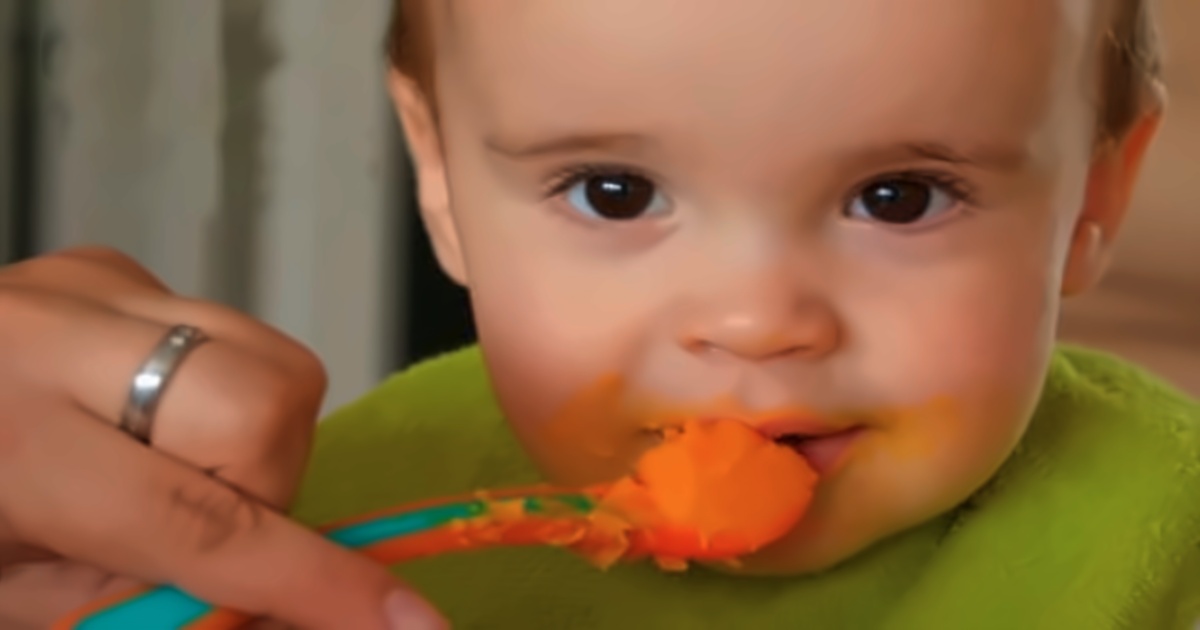
Alongside the baby foods, twelve flours were developed for children’s meals, including cereals and dehulled legumes: soft wheat, Einkorn and Emmer wheat, barley, oats, millet, Marano maize, protein pea, Cece Piccino chickpeas, grass peas and lentils. For each product, three different processing methods were compared, starting with raw, precooked and flaked grains. The University of Siena measured their effects on beta-carotene, tocopherols, chlorophyll, phytates, antioxidant activity, polyphenols and rheological properties. The aim was to identify the most suitable treatment for making starches digestible for the child’s still-developing gastrointestinal system, while preserving the nutritional properties of the raw material. Finally, the study of the aromatic profile of flours and baby foods, conducted by PNAT, made it possible to evaluate product palatability and stability during storage—an essential aspect for foods intended for consumers who cannot explain why they do not like a particular food.
The project also produced valuable knowledge-based tools: guidelines on appropriate complementary feeding, developed on the basis of the most up-to-date scientific evidence and shared with paediatricians, as well as technical production specifications developed jointly with the farmers involved in the supply chain, representing the first step towards a dedicated collective trademark. The results were presented during three outreach events, attended by around 150 participants including paediatricians, parents, farmers and public administrators. One of the events included a consumer test directly involving children. The project was also documented through a documentary film, which was screened at SANA 2018 in Bologna. The product range attracted interest both from agricultural producers, who were enthusiastic about dedicating their raw materials to this purpose, and from buyers in large-scale retail and specialised distribution channels.
For Podere Pereto, Peter Baby Bio represented an important stage in a long-term journey built on investments in on-farm processing and continuous collaboration with universities and research centres. The project demonstrated that it is possible to produce high-quality baby foods directly in the farming environment, using only local organic raw materials and innovative processes, while ensuring high nutritional quality, safety and a strong connection to the territory. This achievement would not have been possible without the expertise of researchers and technicians and the shared work of the farmers involved. Because nourishing children means nourishing the future.
For more information, visit www.peterbabybio.it.
Project carried out with the support of the European Agricultural Fund for Rural Development – Tuscany Region Rural Development Programme (RDP) 2014–2020, sub-measure 16.2.