
















Research and Innovation
BIOLEG Project – Giving Organic Agriculture a Stronger Foundation
Born as part of the Integrated Supply Chain Projects (Progetti Integrati di Filiera) under the 2007–2013 Rural Development Programme (PSR) of the Tuscany Region, BIOLEG – “Giving Organic Agriculture a Stronger Foundation” was a collaborative project involving a total investment of more than €1.5 million. It brought together organic farms, processors, mills, a feed mill, commercial operators and two important Tuscan university research institutions: the “Enrico Avanzi” Agro-Environmental Research Centre of the University of Pisa and the Department of Agricultural, Food and Forestry Systems of the University of Florence, with Podere Pereto Agricultural Company acting as the lead partner.
The starting idea was both simple and ambitious: to restore diversity and resilience to Tuscan organic farming systems, which had gradually become more simplified over the years, with increasingly shorter crop rotations, declining biodiversity and farm incomes increasingly exposed to fluctuations in the prices of a limited number of widespread crops.
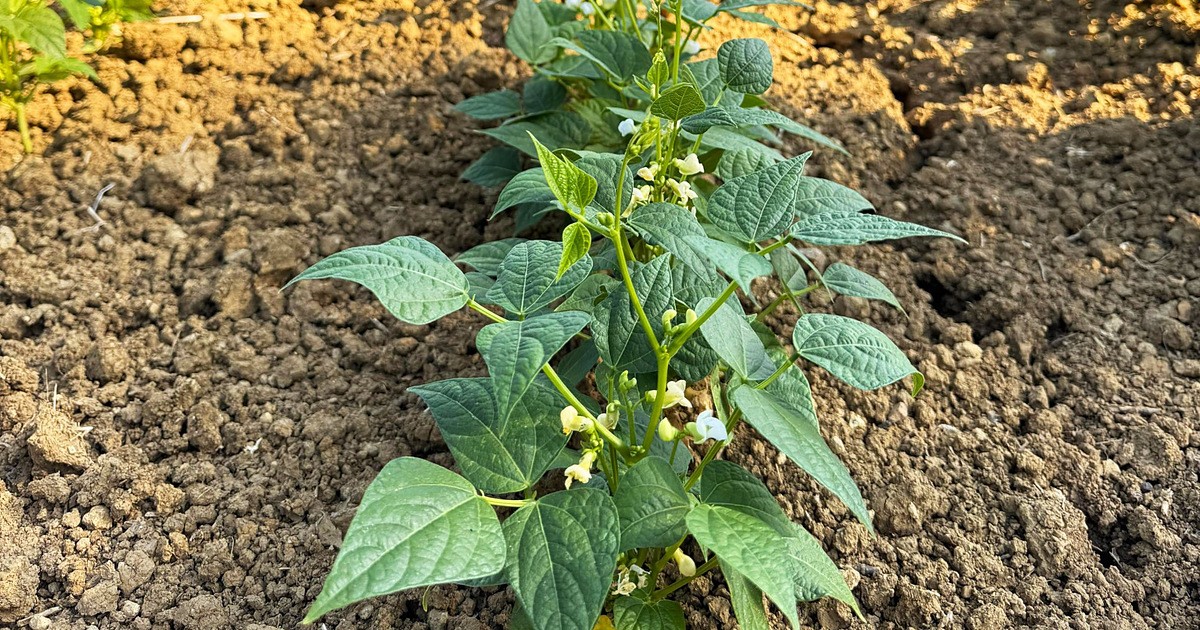
The partners chose to bring grain legumes, such as chickpeas, beans and lentils, back into the fields, together with so-called minor cereals, including Emmer and Einkorn wheat, millet, Senatore Cappelli durum wheat, Verna soft wheat, oats and two-row barley, addressing the individual challenges that had previously limited their wider adoption.
From an agronomic perspective, between 2013 and 2014, researchers from CIRAA worked closely with the participating farms, including through field trials, to develop physical and mechanical weed-control strategies specifically for legumes. The aim was to significantly reduce weed pressure and the need for manual weeding. Together with a machinery manufacturer, they also developed a prototype machine for mowing and windrowing beans, designed for low-growing, high-quality varieties that can easily be damaged by conventional cutter bars.
At the same time, researchers studied intercropping systems involving autumn-winter cereals and legumes. These systems can function as a form of green manure, helping to improve the protein content of the grain while reducing the need for external fertilisers.
An important part of the project focused on processing by-products. Broken legumes and cereals, which might otherwise have been lost, were characterised in terms of their protein and amino acid profiles. Thanks to collaboration between CIRAA and Molini Cicogni, these by-products were then used to formulate organic animal feed, providing an alternative to soy in livestock farming and helping to close the supply-chain cycle.
The University of Florence, meanwhile, analysed the participating farms and their soils and developed a set of agro-environmental sustainability indicators, providing a useful tool for measuring and communicating the value of the agricultural production.
Alongside the research activities, each partner invested in its own facilities, including storage infrastructure, agricultural machinery better suited to the new crop rotations, processing facilities and even a farm brewery supplied with barley produced within the supply chain.
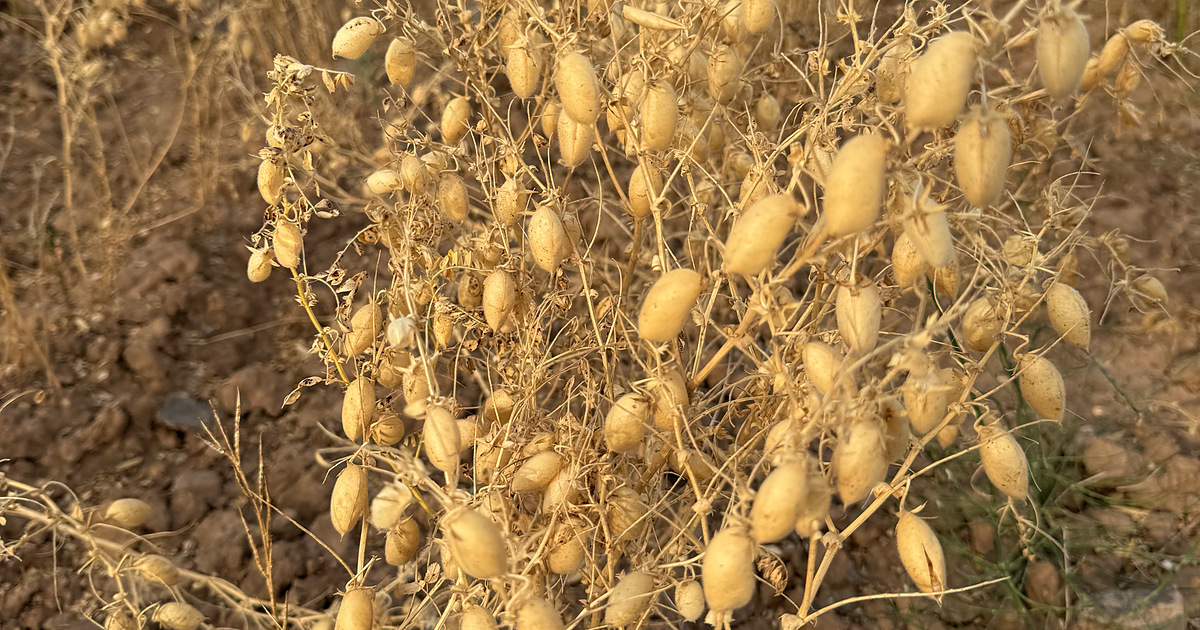
Chickpea plant approaching harvest
Perhaps the most significant result of BIOLEG was demonstrating that a territory made up largely of small and medium-sized farms can organise itself into a cohesive, fully certified organic supply chain, deeply rooted in the local area. With almost all raw materials produced within a few kilometres, the project transformed a fragmented supply into a stronger offering and enabled producers to engage more effectively with processors and distributors. At the same time, the project provided farmers with practical, immediately applicable knowledge, from non-chemical weed management and intercropping to crop rotations and the use of by-products in livestock farming. It also helped bring species and varieties back to Tuscan fields, enriching both the soils and the landscape. For Podere Pereto, which has been organically growing legumes and heritage cereals for many years, being part of this experience confirmed a belief that continues to guide its work: innovation comes from dialogue with research and collaboration among those who share the same territory, and this is a path that continues today through new field trials.
Project carried out with the support of the European Agricultural Fund for Rural Development – Tuscany Region Rural Development Programme (RDP) 2007–2013