

















Research and Innovation
SvernalFar! Emmer and Einkorn Wheat in a Changing Climate
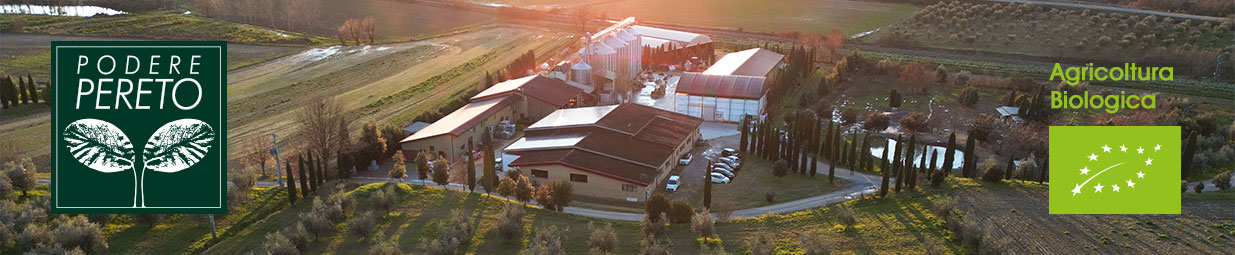
Einkorn and Emmer wheat are among the oldest cereals cultivated by humankind and have long been reliable crops for those farming challenging land. Hardy, resilient and undemanding in terms of fertiliser, they grow well even on the poor, sloping soils of inland Tuscany, where agricultural alternatives are limited and farming plays a vital role in preserving both the landscape and local communities. For Podere Pereto, farro is not just another crop: it lies at the heart of the farm, the cereal around which an organic supply chain, from field to table, has been built over the past thirty years.
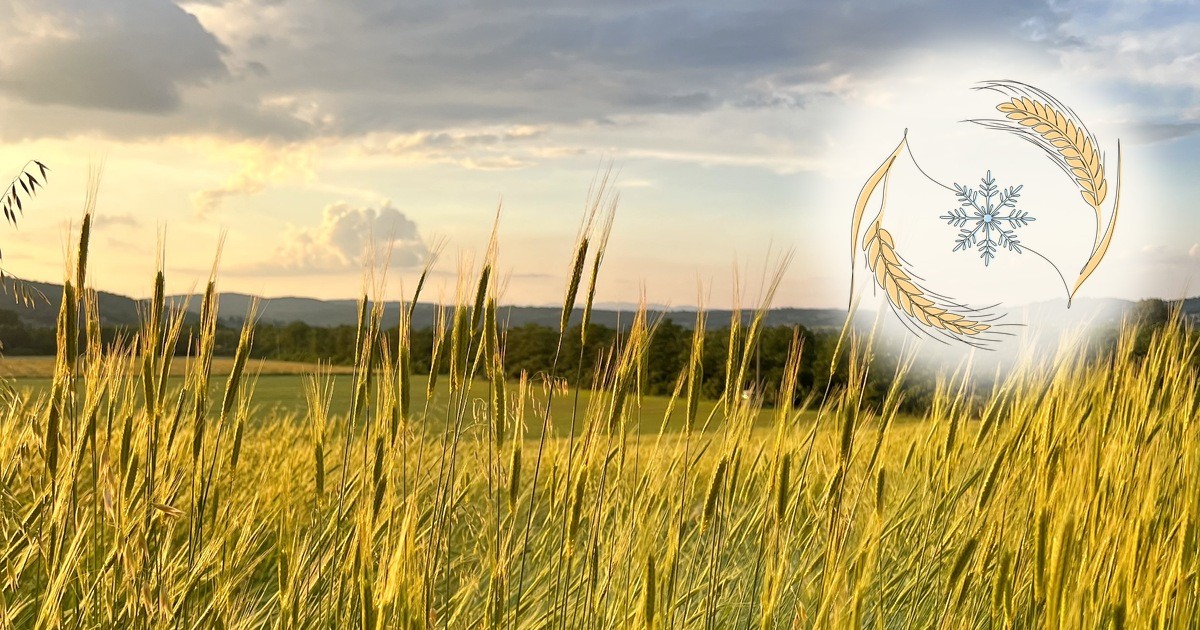
In recent years, however, even these resilient cereals have begun to struggle. Farro needs cold weather: it must undergo a period of low winter temperatures, known as vernalisation, to receive the signal that triggers flowering and ear formation. As winters become increasingly mild, this period of cold is sometimes insufficient. Plants produce fewer tillers, develop fewer ears, and some ears remain partially sterile. These challenges are compounded by warm, rainy autumns, when prolonged soil moisture makes seedling emergence difficult. The result is lower and less predictable yields, at a time when demand for farro is growing. In short, the climate is changing faster than these cereals can adapt on their own.
SvernalFar! was born out of this concern, shared by many Tuscan cereal growers. It is an Operational Group under the European Innovation Partnership for Agricultural Productivity and Sustainability (EIP-AGRI), supported by the Tuscany Region. Podere Pereto leads the project, working alongside three other Tuscan cereal-growing farms: Pieve a Salti in Buonconvento, Società Agricola De Angeli in Fauglia, and the Il Rinnovamento Agricolo cooperative in Santa Luce. Trials are being conducted across four agricultural areas with different soils and climates, spanning the Crete Senesi and the hills around Pisa. Scientific coordination is entrusted to the Department of Agriculture, Food and Environment at the University of Pisa, through the Agronomy and Herbaceous Crops research group led by Professors Luciana G. Angelini and Silvia Tavarini. Meanwhile, the Department of Life Sciences at the University of Siena is responsible for the genetic study of farro. It is a partnership between those who grow farro every day and those who study it, with a clear objective: to develop practical solutions that farms can adopt immediately.
The idea behind the project is simple: if winter no longer provides enough cold, the seeds can be given a little winter of their own before sowing. The seeds are lightly moistened and stored in a cold room at 5°C for a set period. This artificial seed vernalisation is designed to provide part of the cold exposure the plant needs. The cold treatment is combined with an organic seed treatment using beneficial microbial consortia, mycorrhizal fungi and growth-promoting bacteria, which help young plants develop stronger root systems and cope with periods of stress. The aim is to develop an affordable, repeatable technique that any farm can use with existing seed-treatment equipment, without resorting to chemical inputs.
The project is still underway, but the first trial season, 2025–2026, has already delivered very encouraging results. At Podere Pereto and at the partner farm Pieve a Salti in Buonconvento, four different seed treatments were compared. The best-performing treatment, cold exposure at 5°C combined with moderate seed hydration and organic seed treatment, produced the highest Emmer wheat yields at both farms, with yields approximately 40% higher than those obtained from untreated seeds.
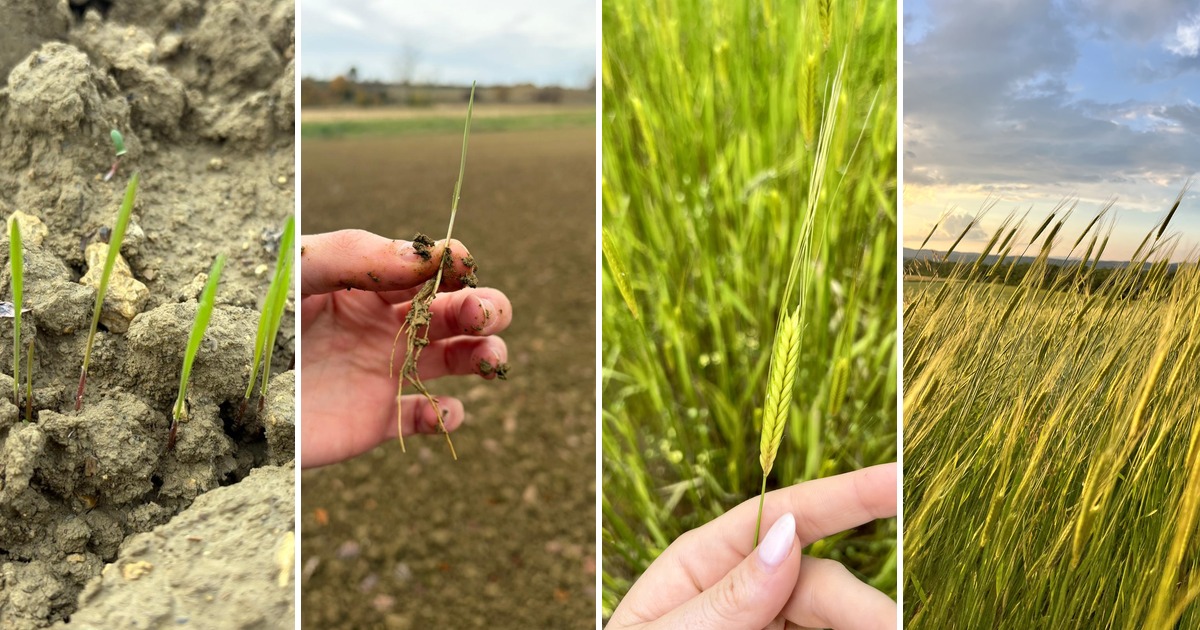
These are, of course, the results of the first year of trials, and the figures will need to be confirmed. For this reason, the 2026–2027 growing season will see the trials repeated with a larger number of experimental plots, providing a statistically robust basis for the results. Alongside the seed treatments, eleven Einkorn and Emmer wheat varieties are being compared to identify those with lower cold requirements and better adapted to the changing climate. The farro populations grown at Podere Pereto will also undergo genetic and proteomic characterisation in collaboration with the University of Siena, with the aim of building a database of farro profiles and developing a molecular traceability system from field to table—the first step towards a label certifying their origin and quality. The project also extends beyond the fields: the first workshop was held at Podere Pereto on 10 June 2026, online training sessions on climate change and Tuscan agriculture began in the autumn, and all updates are available at svernalfar.eu. The project is scheduled to conclude at the end of 2027.
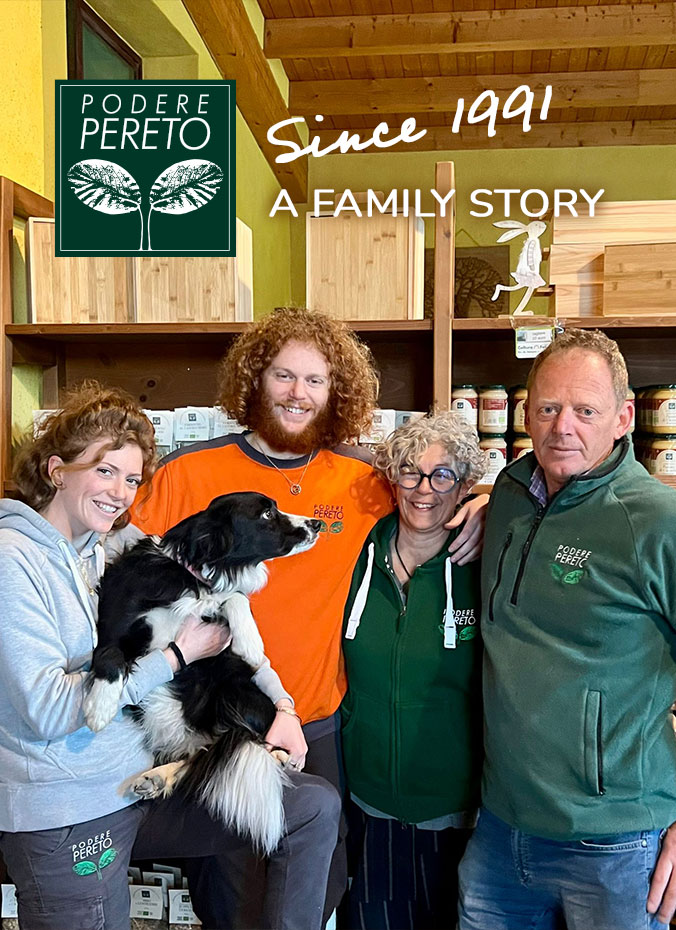
For Podere Pereto, SvernalFar! is the natural continuation of a journey in which research has always been an integral part of everyday work, from the BIOLEG and Peter Baby Bio projects to the UPToMi experience with millet. This time, however, the project focuses on the cereal that represents the farm more than any other. Taking part means conducting trials in the farm’s own fields alongside researchers, finding practical answers to a problem encountered season after season, and sharing those solutions with the wider local farming community. The initial results are encouraging: with a little cold at the right time and a few invisible allies in the soil, Tuscan farro can continue to thrive even as the climate changes.

Project carried out with the support of the European Agricultural Fund for Rural Development (EAFRD) – Tuscany Region Rural Development Complement 2023–2027, intervention SRG01 “Support for EIP-AGRI Operational Groups”.